
Generic processors move money. Insurance payments trigger coverage, feed reconciliation, and touch trust accounting. Here is why the gap between those two realities is a tooling problem, not a staffing one.
Most insurance agency operations managers and office managers believe this is inevitable: more policies mean more payment complexity, more staff hours, and more reconciliation errors. The assumption is that more policies mean more of the same manageable work. The reality is that each new carrier relationship, billing cycle, or payment channel added to a generic processor creates a new manual touchpoint, and those touchpoints compound faster than your book of business grows.
See our insurance billing software for how this works in practice. According to EnrollHere’s July 2026 analysis of insurance agency productivity metrics, staff spends 15 to 20 percent of their week chasing late or missing premium payments, manually coordinating between agents and accounting with no single source of truth. At a small agency, that might mean one person losing most of a Friday.

At a growing agency, it means the same percentage applied to a larger team, a larger policy count, and a larger pile of unresolved payment statuses.. Every unmatched payment sitting in a reconciliation queue represents a gap that a purpose-built branded payment page and real-time dashboard would have closed automatically, but this benefit is most tangible for agencies that want a turnkey, branded digital payment experience without building a custom solution. For those agencies, it converts a manual cross-reference ritual into a live, transaction-level data stream the moment the policyholder clicks pay.
Insurance billing cannot be separated from policy administration. A payment is a trigger. It confirms coverage, initiates binding, updates the agency management system, and feeds trust accounting.
Generic processors were designed to move money between two parties. They were not designed to carry policy numbers, reconcile against AMS records, or understand what a missed premium means for coverage status. The result, as EnrollHere’s research confirms, is that back-office teams end up manually rebuilding workflows every time a new payment channel is added.
Each channel becomes its own translation problem. The agency absorbs that translation cost in staff hours.
Key takeaways
- Paper checks are not a minor inconvenience, each one is a simultaneous reconciliation error, a policyholder experience failure, and a binding delay compounding across your entire book of business.
- Generic payment processors were designed to move money between a buyer and a seller and stop. Insurance adds carrier relationships, billing cycles, and compliance layers that a retail-built tool cannot absorb without creating manual workarounds at every seam.
- Manual workarounds do not stay flat as policy volume grows, they multiply. Every missing capability in a payment platform silently converts into staff hours your team cannot recover.
- Real-time payment rails, embedded premium financing, and policyholder-facing digital experiences are already reshaping renewal expectations in 2025. Agencies treating these as future enterprise concerns are accumulating friction with every billing cycle right now.
- Month-end close is the stress test your reconciliation process never asked for. If closing the books requires toggling between an AMS, a bank portal, and a spreadsheet, the process was built for a book of business that stopped growing years ago.
- Signing the wrong payment platform does not reset the clock, it restarts the same problem inside a different interface with your data locked behind it. Vendor lock-in is about how the platform is built, not what the contract says in the fine print.
- epaypolicy’s Branded Payment Page gives policyholders a fully agency-branded checkout experience, while the back-end dashboard delivers a transaction-level view of every collected premium, closing the loop between policyholder-facing experience and back-office reconciliation in one insurance-native platform.
What Insurance Payment Processing Actually Requires: and What Generic Processors Skip
Retail payment systems were built for a single job: move money from a buyer to a seller, confirm the transaction, and stop. Insurance works differently, and that difference costs you more every time your policy volume grows. The common assumption among insurance agency operations managers and office managers is that this scaling pain is unavoidable: more policies mean more payment complexity, more staff hours, and more reconciliation errors, and that scaling payment volume means scaling administrative burden. ePayPolicy was built to challenge that assumption directly, by standardizing and streamlining payment collection across the agency so that volume growth does not automatically translate into administrative growth.

Generic Processors Handle One-Way Retail Money Movement, Insurance Requires Two
Insurance payment processing requires handling both inbound premium collections and outbound claims disbursements within a single operational framework. This dual-flow requirement is precisely what general-purpose processors were never designed to satisfy. A carrier using Stripe for premium collection still needs a separate reconciliation layer, a separate trust accounting process, and a separate claims disbursement tool.
Three systems doing one job. The insurance industry processes hundreds of billions in claims payments annually, so the outbound side is a core operational requirement that generic processors treat as out of scope.
ePayPolicy addresses the outbound side through Payables Connect and Network Payables, features purpose-built for agencies that regularly issue high volumes of outbound payments to agents or partners and want to eliminate paper-check printing and mailing. Rather than routing outbound disbursements through a patchwork of disconnected tools, these products bring outbound payments inside the same operational framework as inbound premium collection, collapsing three systems into one coherent workflow.
The Federal Reserve Bank of Atlanta Survey and Diary of Consumer Payment Choice documents the accelerating decline in paper check use among consumers, a trend that makes continuing to issue paper checks to agents and partners an increasingly friction-heavy outlier, exactly the problem Network Payables, an integration-level feature that lets companies send bulk electronic commission and refund payments to multiple agents and partners in one batch, eliminating the need to print and mail hundreds of individual checks monthly, is designed to solve.
Policy-Level Reconciliation Demands Identifiers That Retail Payment Rails Don’t Carry
The critical difference is what travels with the payment. Retail processors move funds and confirm amounts. Insurance requires that policy numbers, claim codes, and reserve identifiers travel through the entire payment lifecycle so every transaction can be matched to the correct policy without manual intervention. Across the market, general-purpose processors cannot natively carry these identifiers. The result is a reconciliation process that lives in spreadsheets.
ePayPolicy’s approach centers reconciliation as a design requirement, not an afterthought. The platform is most beneficial when the agency has a management-system integration in place, precisely because that integration is what allows payment data to flow back into the system of record with the identifiers intact, eliminating the manual matching step that creates reconciliation backlogs. Agencies we work with that process predictable recurring invoices get additional lift from AutoPay, which allows clients to set up their account once to automatically pay due invoices as soon as they are posted from the agency’s management system, with no manual action required per invoice.
Predictable payment timing combined with management-system integration means reconciliation becomes a confirmation step rather than an investigation. That is what properly reconciled payments actually look like, and it comes from how the system is built.
Trust Accounting and Premium Financing Compliance Are Requirements, Not Add-On Features
Trust accounting rules require that premium funds be held separately from operating funds until remitted to the carrier. Premium financing introduces a second layer of state-level regulatory requirements governing how installment payments are structured, disclosed, and applied. Meeting these requirements through Stripe or Adyen means building custom middleware, custom reporting, and custom audit trails, and that custom build carries ongoing maintenance cost and ongoing compliance risk every time regulations change.
ePayPolicy addresses premium financing through Finance Connect, which brings installment payments inside the platform rather than forcing agencies to add a separate financing tool. Quotes & Invoices extends that compliance coverage further by giving agencies a way to issue properly structured payment requests before collection begins, keeping the audit trail inside one system from the moment a client relationship is invoiced. Because the platform is built to ensure payments are compliant and properly reconciled, these are capabilities the platform was designed to carry from the start.
And because the Payment Page & Dashboard can be customized to reflect the agency’s brand, agencies present a consistent, trusted experience to policyholders while the regulatory requirements are handled in the underlying infrastructure.
Core Requirements for Insurance Payment Processing Systems That Actually Scale
Every missing capability in an insurance payment platform creates exactly one thing: a manual workaround. And manual workarounds do not stay flat as volume grows. They multiply.
The core requirements for insurance payment processing systems are a minimum viable infrastructure definition. A platform that cannot check every box silently transfers work back to your staff, one transaction at a time.
1. ePayPolicy – Best End-to-End Payment Processing for Insurance Companies
Built exclusively for insurance agencies, ePayPolicy earns the top position for operations teams that need a branded policyholder-facing payment experience paired with a single reconciliation layer. The platform is most beneficial when the agency or carrier currently collects payments by paper check or phone and wants to digitize receivables quickly: ePayPolicy’s online credit card and ACH payment capabilities let agencies accept digital payments from policyholders quickly and easily, eliminating the receivables lag that paper-check workflows impose. The agency payment dashboard surfaces transaction-level status, policy linkage, and collected funds in one place, so volume growth stops generating proportionally more accounting hours.
For agencies with a management-system integration already in place, ePayPolicy’s AMS integrations connect payment data directly into existing workflows, removing the re-keying step that quietly consumes staff time when platforms don’t talk to each other. AutoPay handles the recurring-billing side: during onboarding or at the payment page, a client opts in once, and the platform runs the charge automatically each billing cycle thereafter, a fit that works best when clients have predictable recurring invoices. Finance Connect and Payables Connect extend that same connection to the financing and payables side, while CheckMate and Network Payables address outbound check volume for agencies that regularly issue high volumes of payments to agents or partners and want to eliminate paper-check printing and mailing.
Quotes & Invoices rounds out the suite for agencies that need to present and collect on new business without switching systems.
The honest tradeoff: ePayPolicy is purpose-built for the agency side, so carriers or MGAs with complex disbursement-heavy workflows may need supplemental tooling.
2. Datamatics RPA Reconciliation – For Automating Policy Payment Reconciliation at Scale
When a generic processor strips policy-level identifiers, claim numbers, and reserve codes, every downstream reconciliation step becomes a manual reconstruction exercise. Datamatics RPA tooling addresses that reconstruction burden directly, automating the matching logic that staff would otherwise run by hand. Best suited for carriers or large agencies where reconciliation volume justifies a dedicated automation layer.
3. Trintech Cadency – For Insurance Financial Close and Payment Reconciliation Governance
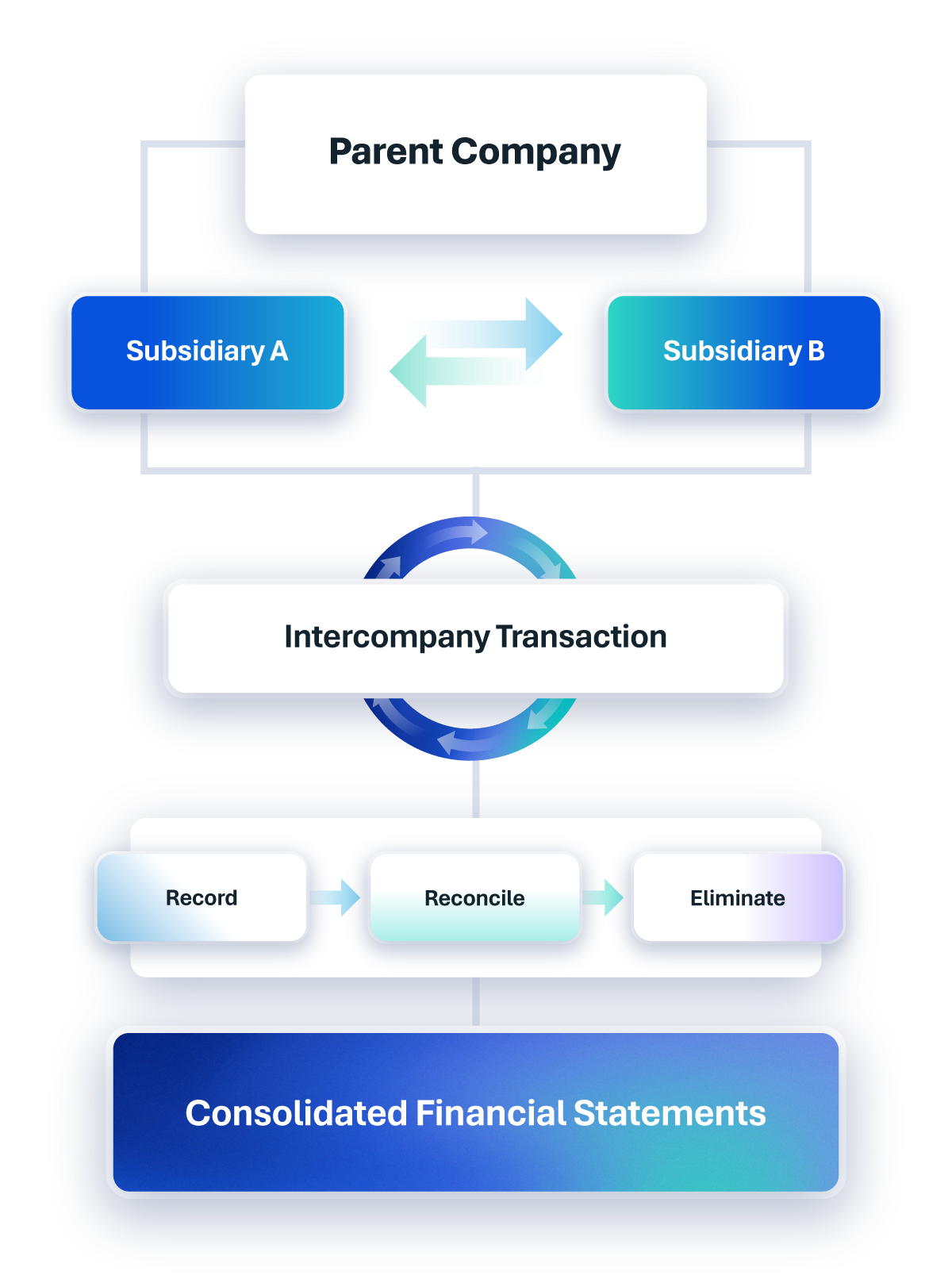
Trintech’s Cadency platform addresses a critical but often overlooked requirement in insurance payment processing: the financial close and reconciliation governance layer that ensures payment data integrity across general ledgers. It is the right pick for mid-to-large carriers and insurers with complex multi-entity structures who face audit and regulatory scrutiny. The tradeoff is that Cadency is a financial close tool, not a front-end payment processor, so it complements rather than replaces payment rails.
4. Recurring ACH Billing Infrastructure – Best for Reducing Premium Payment Declines on Installment Plans
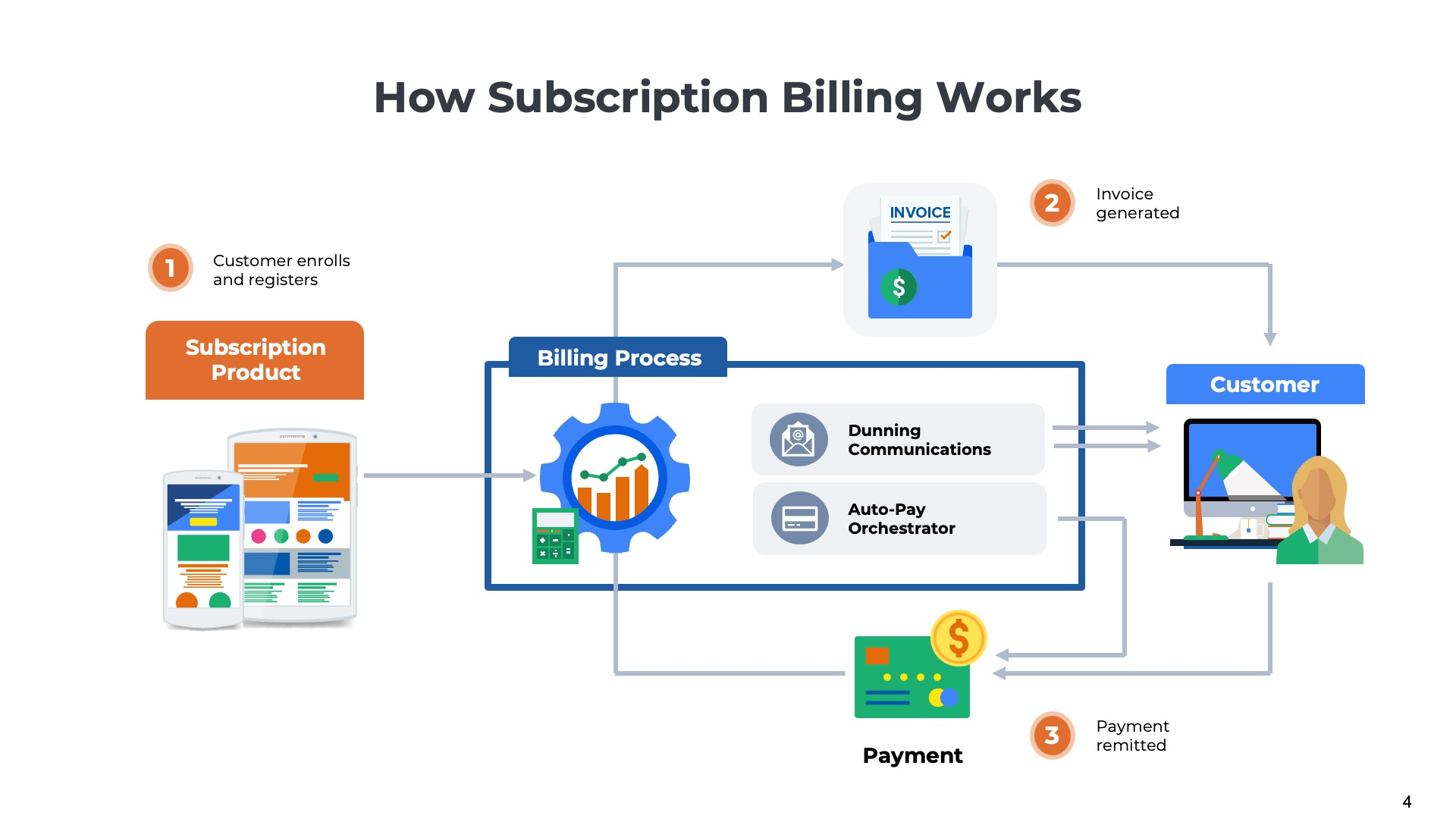
Recurring ACH payment infrastructure is a foundational requirement for any insurance payment processing system handling installment-based premiums. Properly configured recurring ACH billing can reduce payment declines by 80% or more compared to card-based alternatives, directly protecting policy continuity and reducing lapse rates. The key limitation is that ACH settlement times of one to three business days create cash flow timing gaps that insurers must account for in their treasury operations.
Prominent Insurance-Specific Payment Solutions – What Each Platform Does
Prominent insurance payment platforms are not interchangeable, and the feature-list comparison trap is where most evaluation processes go wrong. Each platform in this space was built for a specific part of the insurance chain: carrier-side claims disbursement, agency-side premium collection, cross-border payouts, or embedded premium financing. The decisive differentiator is whether compliance and reconciliation are handled by the platform itself or by your billing staff by hand.
1. ePayPolicy – Best Insurance-Native Payment Platform for Agencies and MGAs
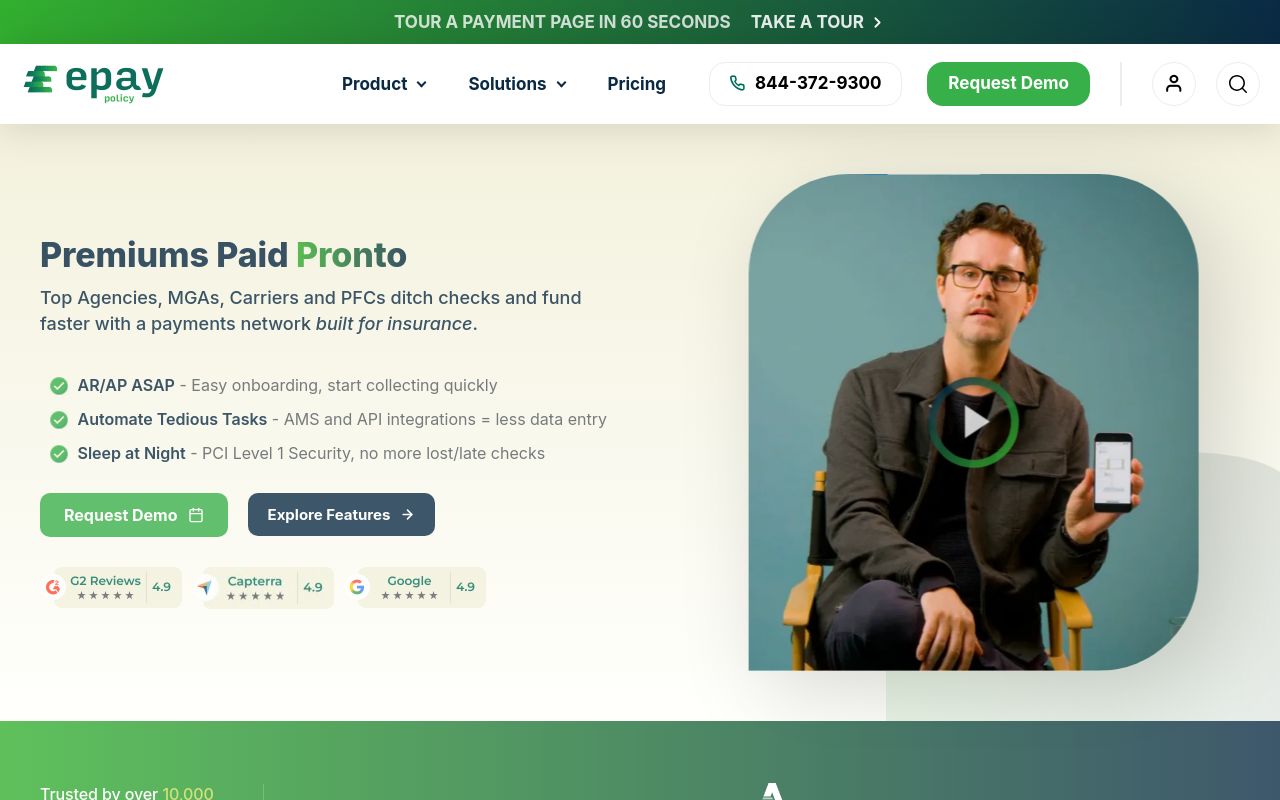
Built exclusively for insurance agencies and MGAs, ePayPolicy is the only platform in this comparison where trust accounting, AMS write-back, and policyholder-facing collection are built in from the start rather than added later. More than 40 Big I state associations have endorsed it, a signal of segment fit that feature lists cannot replicate. Most beneficial when an agency wants a turnkey, branded digital payment experience without a custom build; less suited for carriers running enterprise-scale claims disbursement operations.
2. One Inc – Omnichannel Carrier Payment Experiences at Scale
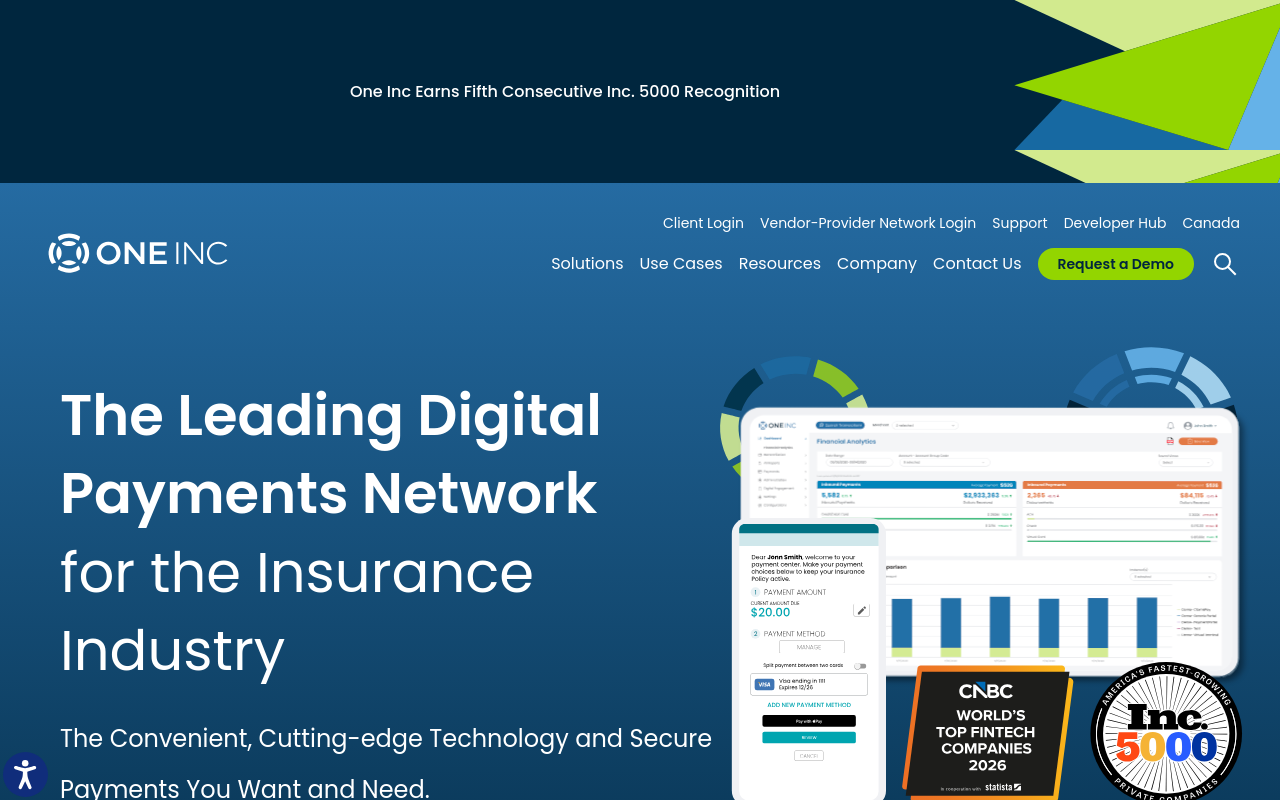
One Inc serves large carriers that need a unified inbound and outbound payment layer across web, mobile, IVR, and text-to-pay channels, all feeding a single reconciliation surface. The real tradeoff for independent agencies is implementation weight: the platform is engineered for organizations with dedicated IT resources, and an independent agency on Applied Epic will find that epaypolicy.com’s native AMS integration eliminates a middleware layer that One Inc typically requires.
3. Paymentus – Insurance Billing Modernization with Flexible Consumer Payment Methods
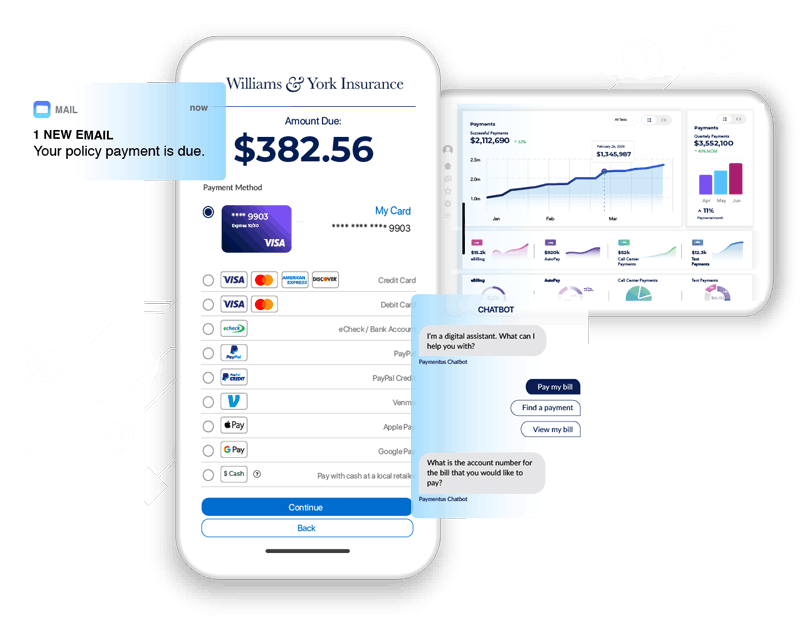
Paymentus brings a broad consumer payment method library and a proven bill-presentment layer that appeals to insurers modernizing legacy billing systems. The limitation for agency operations managers is that Paymentus was not purpose-built for insurance trust accounting or AMS integration, so reconciliation workflows frequently require a manual bridge between the payment confirmation and the management system record.
Vitesse, Best for International Claims Disbursement and Multi-Currency Insurance Payouts. Vitesse is purpose-built for insurers and Lloyd’s market participants that move money across borders, supporting multi-currency payouts in markets where correspondent banking creates delays.
4. Vitesse – For International Claims Disbursement and Multi-Currency Insurance Payouts

Vitesse specializes in real-time, multi-currency payment infrastructure designed for insurance carriers and MGAs operating across borders, with a focus on claims disbursement speed and fund safeguarding. It is the right pick for specialty lines carriers and Lloyd’s market participants that need to pay claimants in multiple currencies quickly and compliantly. The tradeoff is that its strength in cross-border payouts means it is less focused on domestic premium collection workflows common to retail agencies.
Related Reading
- Insurance Premium Payment Automation
- Insurance Premium Collection Process
- Insurance Agency Efficiency
Integration Capabilities Insurance Payment Platforms Must Provide to Eliminate Manual Work
The assumption that integration is an IT department concern dies quickly the first time an agent calls accounting to ask whether a payment actually posted. That call, repeated dozens of times a week across a growing book of business, is a problem with how the systems connect.
Key takeaway: According to US Tech Automations, automated invoicing via API-first AMS connectors can cut invoice cycle time from 12 days to under 3, not by working faster, but by removing the human relay in the middle.
API-first integration with agency management systems is the precise mechanism by which payment volume stops consuming staff time. When installment schedule data flows directly from an AMS into the payment layer in real time, returned payments trigger automated status updates without anyone picking up a phone. According to US Tech Automations, API-first connectors to platforms like Applied Epic and Vertafore AMS360 eliminate manual exports entirely, enabling real-time data exchange between the payment layer and the policy record. That compression does not come from working faster. It comes from removing the human relay in the middle, and the reconciliation errors that accumulate every time that relay is imperfect.
That compression does not come from working faster. It comes from removing the human relay in the middle, and the reconciliation errors that accumulate every time that relay is imperfect.
The practical test for any platform is simple: after a payment confirms, does the AMS update itself, or does someone on your team have to make that happen? If it is the latter, the platform has not reduced manual work. It has repackaged it.
The hidden cost of bridging two disconnected tools covers every binding delay, every reconciliation discrepancy at month-end, and every status-check call that should never have needed to happen. ePayPolicy’s back-end dashboard closes that loop by surfacing real-time transaction status inside the tools your team already uses, so a payment confirmation also tells you the policy record has already been updated.
US Tech Automations notes that eliminating manual reconciliation is one of the clearest gains agencies realize when AMS write-back is fully automated, a finding consistent with what agencies we work with experience when they move from bridged tools to a native sync. Sonant AI similarly identifies reducing manual tasks as the primary driver of administrative relief in connected insurance workflows.
1. ePayPolicy – Native Policy Management System Sync via Bidirectional API
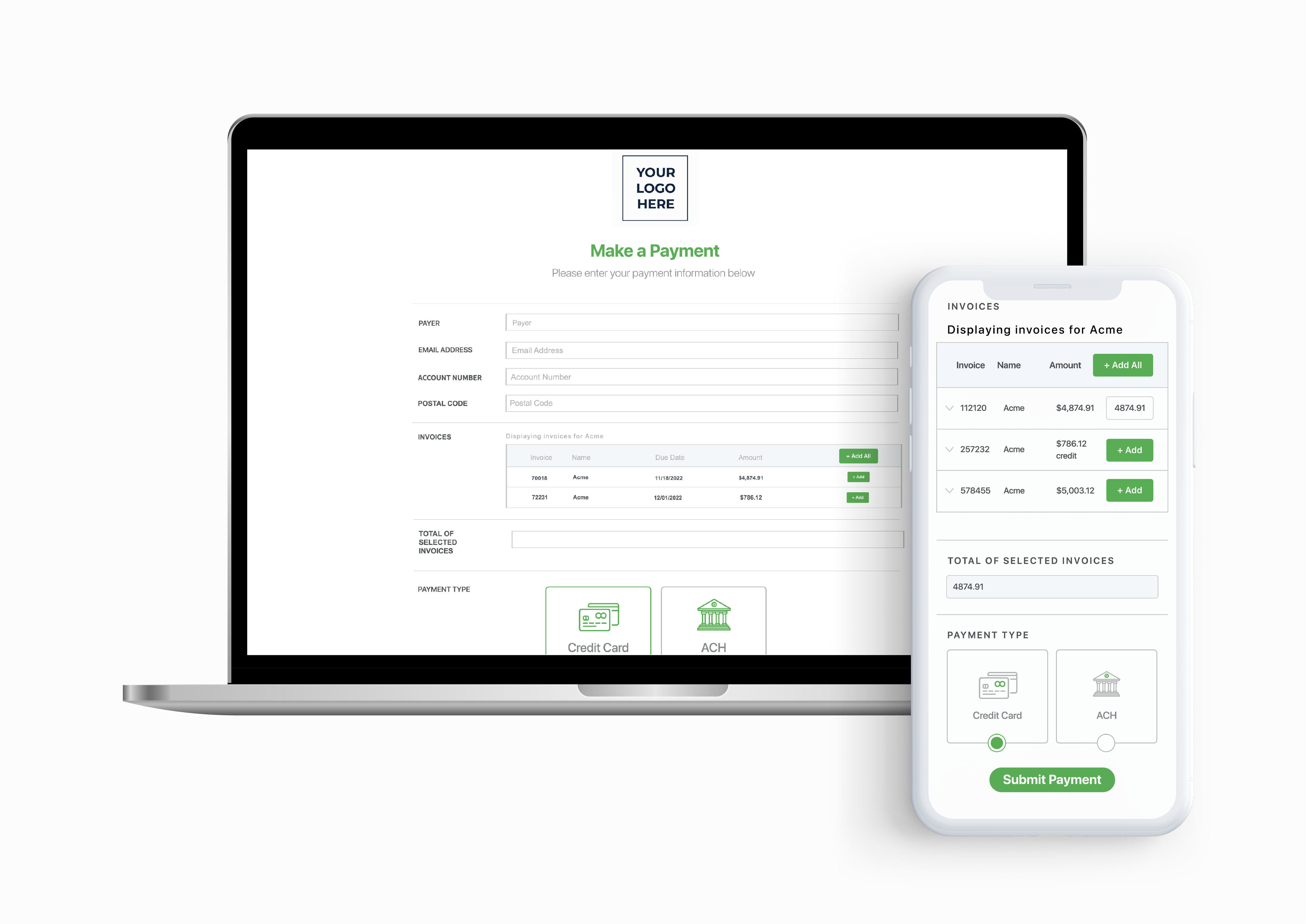
Features like AutoPay and Quotes & Invoices are most impactful when two conditions are already true:
- The agency has a management-system integration in place
- Clients carry predictable recurring invoices
When both are true, AutoPay enrolls a client once, during onboarding or at the payment page, and then runs automatically each billing cycle, removing the manual follow-up that otherwise accumulates invoice by invoice. Finance Connect and Payables Connect extend that logic to the outbound side, giving agencies that regularly issue high volumes of checks to agents or partners a path to eliminate paper-check printing and mailing entirely through Network P

For an agency where agents routinely call accounting to verify payment status before binding, native AMS write-back paired with automated recurring billing eliminates that loop entirely. The trade-off remains clear: agencies on AMS platforms outside the confirmed integration list will not realize the same back-office automation, and the recurring-billing efficiency gains are most pronounced where invoice schedules are consistent rather than ad hoc.
2. Ascend – Automated Premium Finance and Commission Disbursement Integration

Ascend connects premium collection, premium financing, and carrier commission disbursement into a single automated workflow, eliminating the manual reconciliation that typically sits between those three functions. It is the right fit for agencies, MGAs, and wholesalers processing high transaction volumes where float management and commission timing matter.
3. Applied Epic API – Real-Time Payment Event Triggers Across the Agency Ecosystem
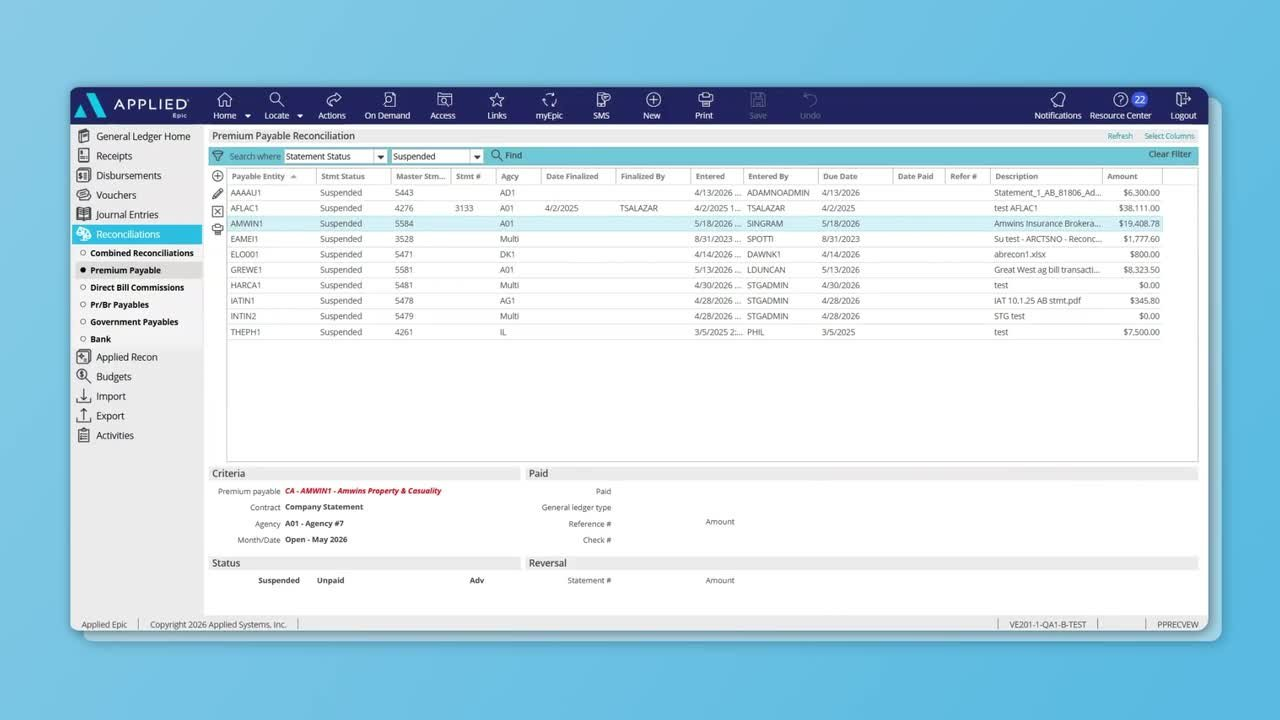
Applied Epic’s open API layer allows payment processing platforms to trigger policy status changes, renewal workflows, and document generation in real time the moment a payment event is confirmed. For mid-to-large agencies already on Epic, this eliminates the manual step of updating policy records after payment receipt. The limitation is that API access requires technical implementation resources and ongoing maintenance as Epic releases version updates.
4. Input 1 PBS – Premium Finance Loan Origination and Payment Schedule Automation
Input 1’s cloud-based Premium Billing System integrates directly with agency and carrier platforms to automate loan origination, installment scheduling, and cancellation notices without manual intervention. It is the right choice for premium finance companies and carriers managing large books of financed policies where payment schedule accuracy and regulatory compliance notices must be generated automatically. The tradeoff is that it is specialized for premium finance workflows rather than general payment gateway processing.
5. Insurnest PAS Integration Layer – Middleware That Prevents Duplicate Payments
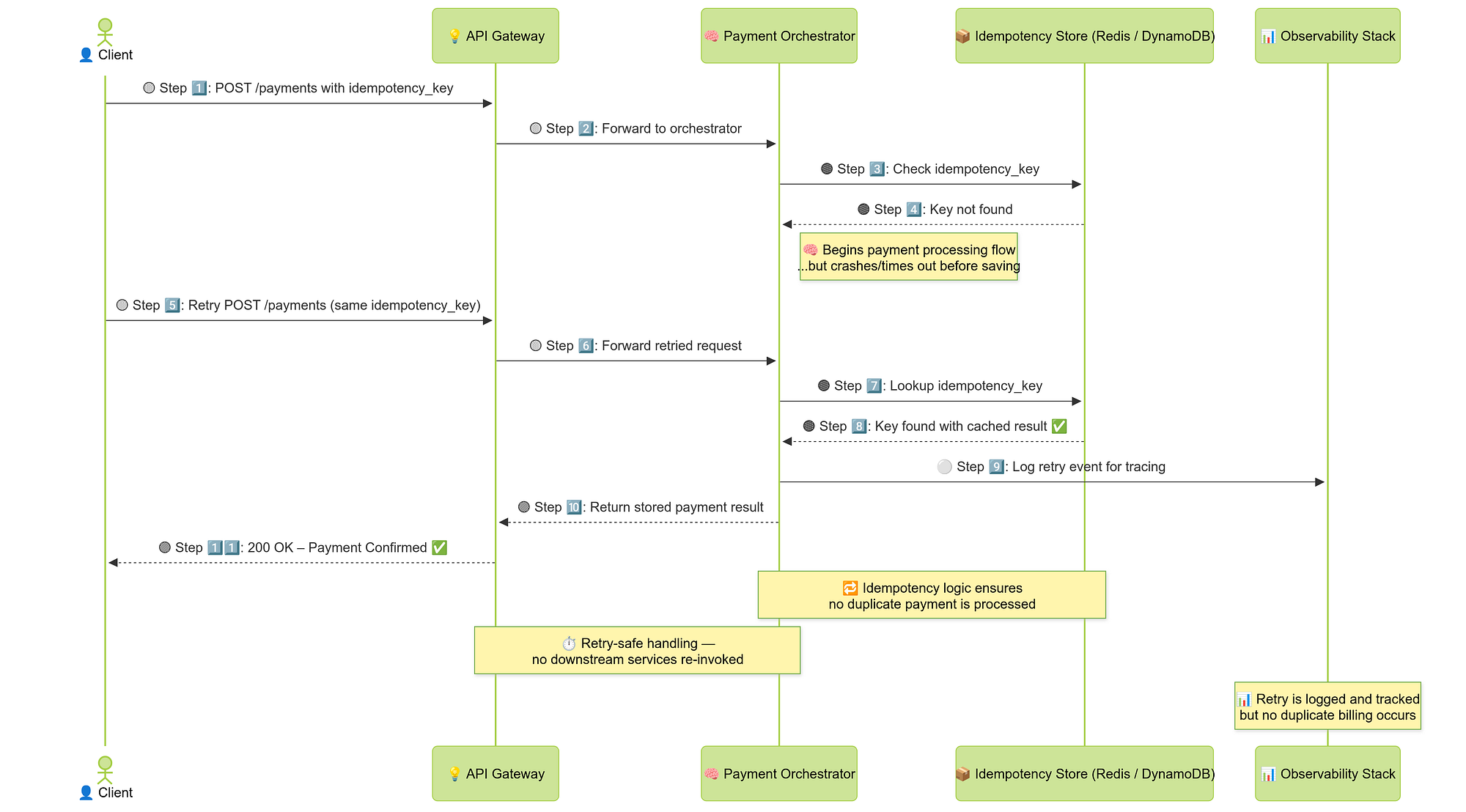
For insurers building or modernizing their policy administration system, an event-driven middleware integration layer with idempotency keys prevents the duplicate charges and reconciliation failures that plague direct point-to-point payment gateway connections. This setup is the right approach for CTOs at carriers or MGAs processing high transaction volumes where network timeouts and retry logic create real financial exposure. The tradeoff is the upfront engineering investment required to implement and maintain the middleware layer.
Policyholder Payment Experience and Claims Disbursements – The Two Sides of Scale
When money moves outward as fast as it moves in, the pressure lands on two points simultaneously: the policyholder watching a payment screen and the accounting team waiting for the ledger to balance. Operations managers tend to treat these as separate problems, one belonging to customer experience and the other to back-office process. They are not separate. They are the same infrastructure decision viewed from opposite ends of the same transaction.
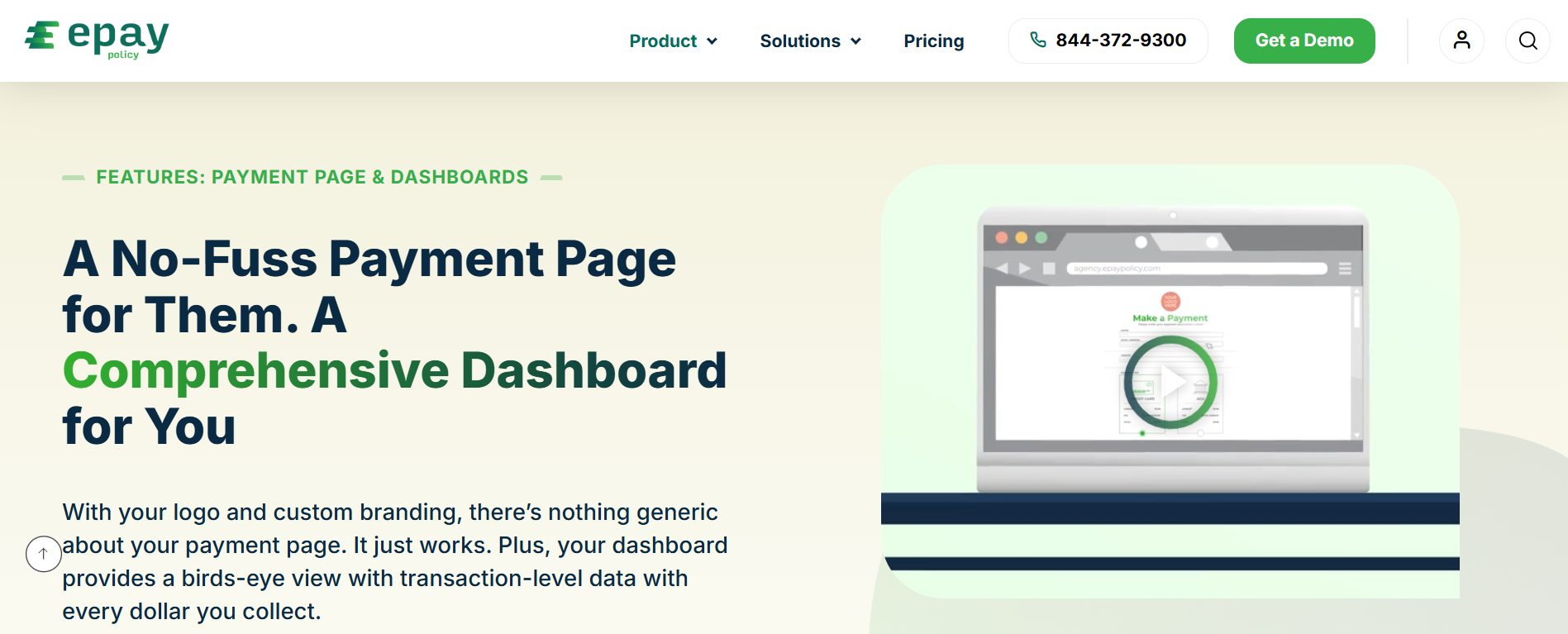
Why a Branded Payments Page Is a Business Safeguard, Not Just a Design Upgrade
A professional, agency-branded payment page does more than signal credibility to the policyholder. Every payment submitted through that interface carries a policy identifier into the back-end ledger automatically, without a staff member manually entering it. According to industry data (2024), a branded, agency-customizable digital payment page eliminates paper check friction and the phone-based collection workflows that burden agency staff. More than 90% of consumers prefer not to pay by check, yet insurance remains one of the last industries where checks are still a primary collection method.
90% of consumers prefer not to pay by check
This is the exact operational pain that agencies scaling across a high volume of retail partners run into first: retail agents calling in about slow or bounced checks, new client onboarding stalling because the payment step is still manual, and back-office teams absorbing the cleanup. ePayPolicy’s Payment Page & Dashboard is purpose-built as a turnkey, branded digital payment experience. An agency can deploy a fully branded collection interface without building a custom solution or modifying its existing management system. Retail agents stop fielding check-related calls and can onboard new clients faster, because the payment step is no longer the bottleneck.
How One Shared Dashboard Ends Agent-to-Accounting Status Calls
The back-end dashboard is where the operational argument becomes concrete. When every payment, regardless of how it arrived, lands in a single real-time view, the agent-to-accounting status-check loop simply stops. As the Journal of Scientific and Engineering Research (December 2023) documented, digital payment systems that consolidate transaction data into a unified reporting layer give agencies real-time visibility into payment status, eliminating the manual workflows that fragment operations under paper-based processes. Agencies that have experienced this shift describe month-end close moving from a reconstruction exercise to a verification.
For operations teams managing premium collection and disbursement across dozens or hundreds of retail agency partners, that unified view keeps back-office headcount from growing linearly with transaction volume. The Payment Page & Dashboard surfaces transaction-level detail in one place, so the question “did that payment post?” is answered by looking at a screen instead of picking up the phone.
Multi-Channel Acceptance Without Reconciliation Fragmentation
Web, mobile, and text-to-pay each introduce a new data stream. Without a unified ledger underneath them, every added channel multiplies reconciliation complexity. The channel should not determine the accounting workflow. A platform built for insurance routes all three into the same transaction-level dashboard, so adding a payment method does not mean adding a manual process. This is where agencies running generic payment tools consistently hit a wall: the tool handles the transaction but leaves the reconciliation to the operations team.
ePayPolicy offers management system (AMS) integrations and API connectivity as general product capabilities available to its customers, not as a distinct pricing tier or package. Layered on top of multi-channel collection, AutoPay removes the per-transaction manual step entirely: during onboarding or at the payment page, when a client opts in, AutoPay runs automatically each billing cycle thereafter. The combination, unified dashboard, management-system integration, and AutoPay, means that premium collection across channels is reconciled in one place without requiring a manual touchpoint for each transaction. For agencies issuing high volumes of outbound payments to agents or partners, Payables Connect eliminates paper-check printing and mailing, applying the same consolidation logic to the disbursement side of the ledger.
How Real-Time Rails (FedNow and RTP) Affect Claims Disbursement and Premium Collection
The Journal of Scientific and Engineering Research (December 2023) documented that real-time payment rails, including FedNow and the RTP network, are reshaping both sides of the insurance transaction. On the collection side, faster settlement means float shrinks and cash-position visibility improves; on the disbursement side, claimants and agent partners receive funds in minutes rather than days, reducing the inbound “where is my payment?” call volume that burdens operations teams. The same research found that digital claims payment systems integrating real-time rails into a unified reporting layer produced measurable improvements in customer satisfaction and operational throughput compared with legacy ACH-and-check workflows.
For agencies already running ePayPolicy’s Payment Page & Dashboard, this matters operationally because the infrastructure that consolidates premium collection into a single real-time view is the same infrastructure that can surface disbursement status through Payables Connect, without adding a separate reconciliation layer. The Journal of Scientific and Engineering Research is explicit that the agencies positioned to capture the efficiency gains from real-time rails are those that have already unified their payment and reporting infrastructure, because bolt-on real-time rails against a fragmented back-end simply move the reconciliation problem rather than eliminating it.
Key Trends Shaping Insurance Payment Processing in 2025- 2026: and What They Mean for Your Agency
The defining trends in insurance payment processing for 2025 and 2026 are not abstract forces arriving sometime in the future. They are already reshaping what policyholders expect the moment they receive a payment request, and agencies that treat them as enterprise concerns are quietly accumulating renewal friction with every billing cycle.
1. Real-Time Instant Payments Are Replacing Batch Settlement Windows
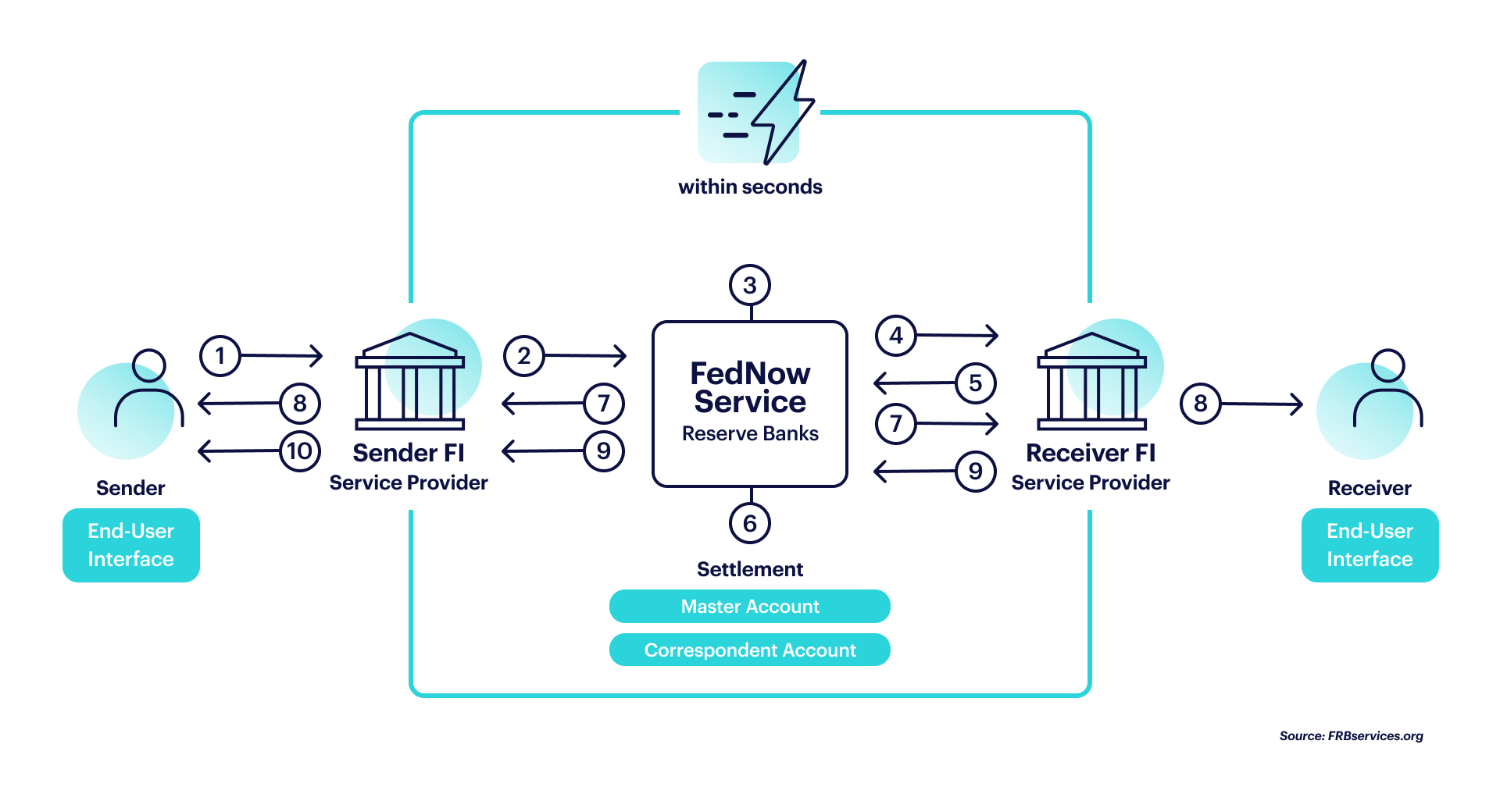
Policyholders increasingly expect claims disbursements and premium refunds to arrive within seconds. Agencies that still rely on end-of-day ACH batch cycles risk losing renewals to carriers offering instant pay. The real tradeoff: real-time rails carry higher per-transaction fees and require treasury teams to manage intraday liquidity more actively, a meaningful operational shift for smaller agencies.
2. Digital Wallets Are Becoming an Important Premium Collection Channel

Apple Pay, Google Pay, and Venmo are no longer fringe options, they are fast becoming the default payment method for younger policyholders. Insurers that omit digital wallet acceptance from their payment processing stack see measurable drop-off at renewal. The key limitation is tokenization complexity: wallet payments require PCI-compliant token vaulting infrastructure that many legacy billing systems lack out of the box.
3. AI-Powered Fraud Detection Is Being Embedded Directly Into Claims Payment Flows
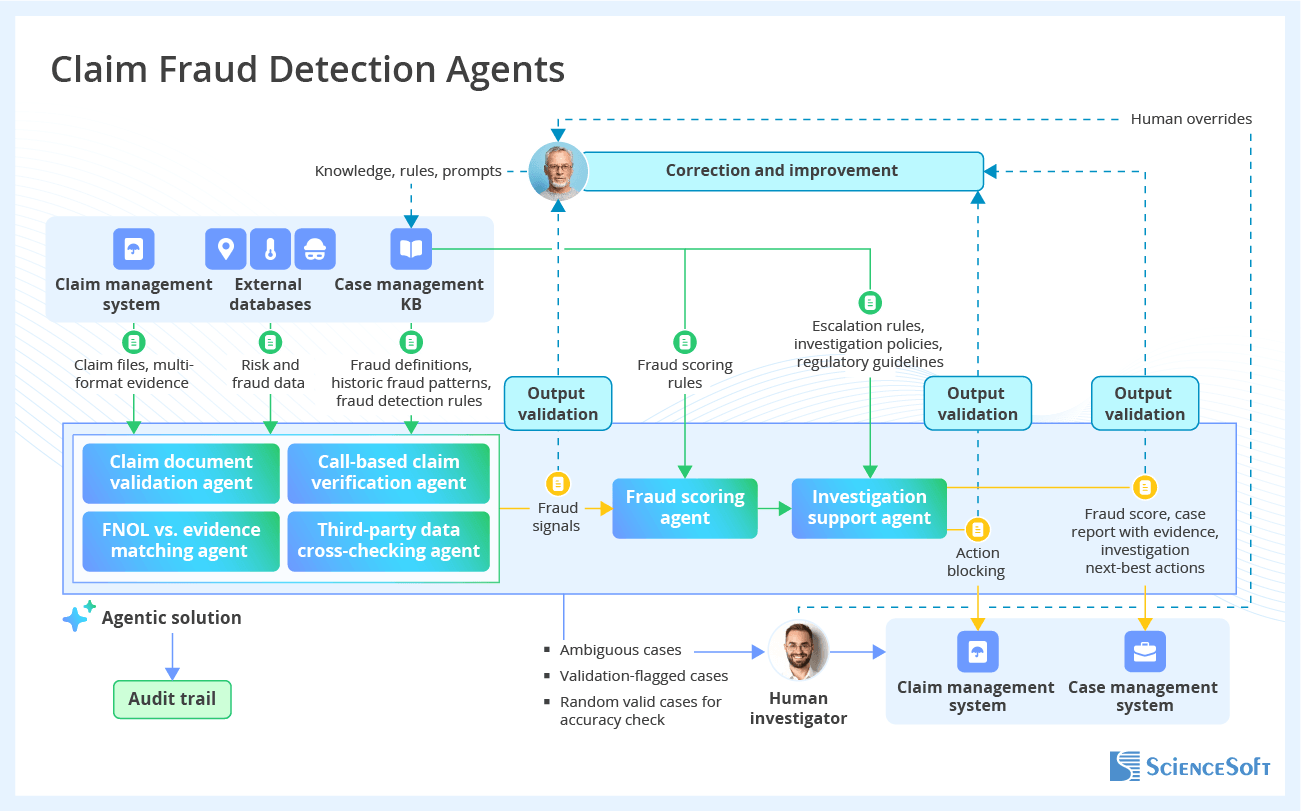
Machine learning models now score payment requests for fraud signals in milliseconds before funds are released, reducing leakage without slowing legitimate settlements. For agencies processing high claim volumes, this embedded approach can improve combined ratios by several percentage points. The tradeoff is model governance: AI fraud engines require continuous retraining on fresh claims data, and poorly maintained models generate costly false positives that delay valid payouts.
4. The Digital Insurance Payment Platforms Market Is Expanding Rapidly – Raising the Bar for All Agencies
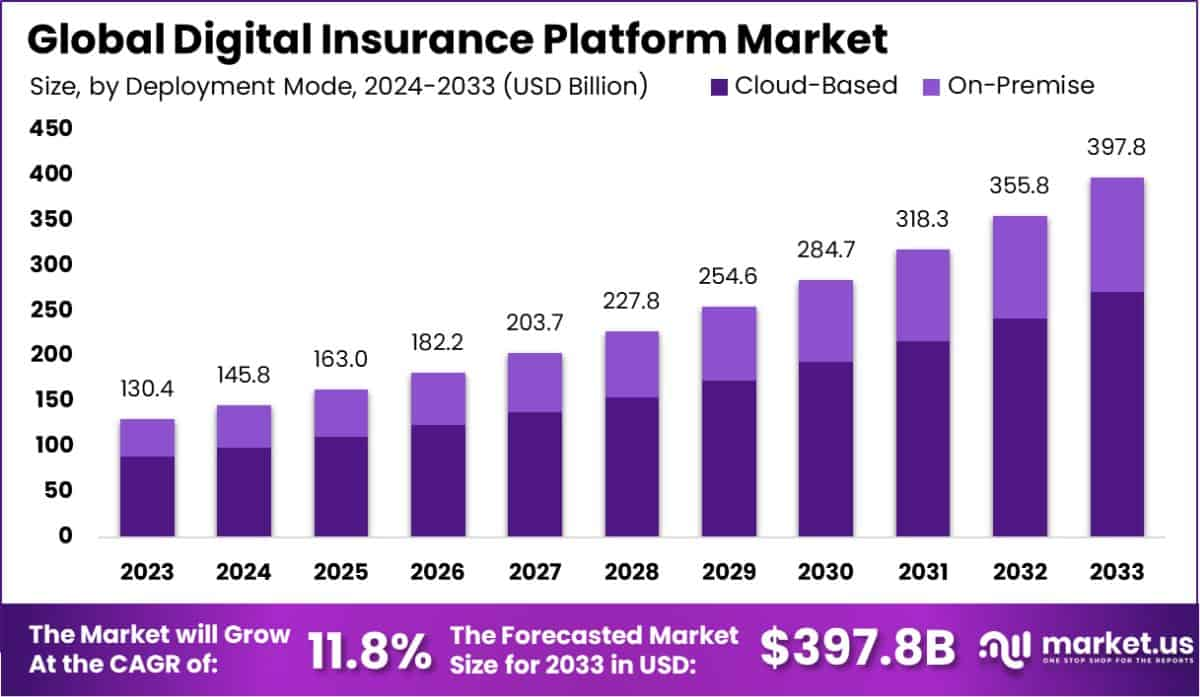
The global digital insurance payment platforms market is projected to grow from $485 million in 2025 to over $1.1 billion by 2033 at an 11.2% CAGR, signaling that payment platforms built for insurance are becoming the baseline expectation rather than a competitive edge. Agencies still stitching together generic merchant processors face growing compliance and UX gaps. The core tradeoff is integration cost: migrating to a purpose-built platform demands significant IT resources and carrier API alignment.
Reporting and Reconciliation – Why a Real-Time Dashboard Is the Operations Manager’s Scaling Tool
Month-end close reveals exactly how your reconciliation process was designed. If your team spends the final week of every month toggling between an AMS, a bank portal, and a spreadsheet to reconstruct where each premium dollar landed, the process was designed for a world that stopped growing two years ago.
“Modern reports in QuickBooks Online still feel inferior to classic reports, indicating a usability gap that hampers efficient reconciliation and reporting workflows for operations managers.”

The Multi-System Reconciliation Tax – What It Actually Costs
The cost of manual reconciliation is not abstract. According to Simplus, finance employees can spend up to a similarly striking share of their time on manual reconciliation tasks. Every payment that arrives through a different channel, whether ACH, card, or a digitized check, becomes a separate lookup, a separate ledger entry, and a separate opportunity for a mismatch. That is a problem with how the process is put together.
Key takeaway: Manual reconciliation already consumes up to 30% of finance staff time, and as real-time payment rails (FedNow, RTP) accelerate inbound volume, agencies without automated reconciliation will simply amplify their own backlog.
The timing of that problem matters. Real-time payment networks such as FedNow and RTP are becoming standard at the exact moment manual reconciliation is consuming up to 30% of finance staff time, and these two facts are causally connected. As instant payment volume grows, agencies running manual processes face a compounding problem: faster inbound transactions arrive at a rate that outpaces human matching capacity, turning every acceleration of the payment network into an amplifier of reconciliation backlog. Agencies that automate reconciliation before adopting real-time payments gain a structural advantage; those that layer faster rails on top of manual processes accelerate their own bottleneck.
Policy-Level Identifier Matching – How Automated Tagging Turns Month-End Close Into a Spot-Check. When every transaction carries a policy-level identifier and posts automatically to the correct ledger, the operations manager’s job shifts. Reconstruction becomes verification.
Related Reading
- Insurance Payment Processing Companies
- Insurance Remittance Processing Systems
How to Choose the Right Insurance Payment Processing Platform: and Avoid the Vendor Lock-In Trap
Signing a contract with the wrong payment platform does not reset the clock. It restarts the problem inside a different interface, with your data locked behind it.

The 3 Non-Negotiable Gates Before You Sign Any Vendor Contract
Before any demo, before any pricing conversation, three questions should determine whether a vendor stays on your shortlist:
| Question to ask | Why it matters | What to look for |
| Does the platform offer native AMS integration with your specific agency management system, or does it rely on a middleware connector requiring a separate subscription and manual export schedule? | Most agencies running bolt-on integrations still reconcile by hand at month-end, the integration is cosmetic rather than functional. | ePayPolicy’s Finance Connect is a premium financing checkout integration; management-system connectivity sits in a separate product category (Integrated Partners). Neither is described as purpose-built for agencies that already have an AMS integration, nor as eliminating manual export schedules or reconciliation errors. |
| Does the platform understand trust accounting well enough to separate premium funds from operating funds without a custom workaround? | Gaps here surface late. One agency discovered six months post-launch that trust accounting still required manual journal entries. | Confirm native premium/operating fund separation, not a workaround documented after implementation. |
| Does the policyholder-facing experience carry your brand, or theirs? | Policyholders should recognize the payment flow as part of your agency, not a third-party detour. | The Payment Page & Dashboard should be fully yours, not co-branded with the vendor. |
A fourth friction point that often goes unspoken: agencies using generic third-party processors regularly encounter opaque failure codes, errors like a bare code with no plain-language explanation returned to the policyholder, that make it impossible for either party to diagnose or dispute a failed payment. That ambiguity stalls collections and erodes policyholder trust. A purpose-built insurance payment platform surfaces actionable context rather than cryptic codes, so your staff can resolve issues without a support ticket to an unrelated processor.
Why Data Portability Is the Hidden Switching-Cost Multiplier
Most vendors do not advertise what happens when you leave. Proprietary data formats mean your payment history and reconciliation logs may require a custom extraction project to move. Migration costs commonly reach five-figure professional services fees. API openness is the concrete test: if a vendor cannot show documented endpoints for exporting transaction-level data in a standard format, treat that as a sign you will be locked in.
Platform Selection Checklist – Three Gates Before You Sign
Use this checklist before any vendor demo or pricing conversation.
| Gate | Question | Pass Condition |
| 1, AMS Integration | Does the platform offer native, bidirectional sync with your specific AMS (Applied Epic, AMS360, HawkSoft, QQCatalyst)? | Yes, no middleware, no manual export schedule required |
| 2, Trust Accounting | Does the platform natively separate premium funds from operating funds and produce compliant audit trails? | Yes, without a custom workaround or post-launch journal entries |
| 3, Brand Ownership | Does the policyholder-facing payment page carry your agency brand, not the vendor’s? | Yes, fully customizable, no vendor co-branding |
| 4, Data Portability | Can the vendor provide documented API endpoints for exporting transaction-level data in a standard format? | Yes, confirmed in writing before contract signature |
| 5, Disbursement Scope | Does the platform handle both inbound premium collection and outbound claims disbursements, or only one? | Matches your operational scope, ePayPolicy’s Network Payables is described as streamlining vendor payments and simplifying the payables process, while Payables Connect is described as scanning, matching, and reconciling invoices, neither product is specifically characterized as outbound check elimination for agencies issuing high volumes of payments to agents or partners |
How to use it: Any ‘No’ answer is a disqualifier or a negotiated contractual commitment before signing, not a post-launch discovery. Platforms that reduce time spent chasing checks and manual payment processing, through tools like AutoPay for clients with predictable recurring invoices and CheckMate for inbound check capture, should be able to demonstrate those capabilities in a live environment before you commit, not describe them in a slide deck.
Next steps
If your operations team is spending more hours each week on payment reconciliation as your book of business grows, the path forward starts with tooling that was built to carry insurance data structures natively, not workarounds that transfer that burden back to your staff. Start with our insurance billing software.
The reality behind the scaling problem comes down to two connected facts. Generic processors strip policy-level identifiers, turning every downstream reconciliation step into a manual reconstruction exercise, which means the actual cost of growth is integration debt, not transaction volume. At the same time, API-first connection between a payment platform and your agency management system is the specific mechanism that decouples volume growth from headcount growth, because returned payments trigger automated status updates without staff intervention. Together, those two facts point to one logical action: evaluate whether your current payment infrastructure was designed for insurance data requirements or for retail transactions.
Start with insurance billing software built exclusively for agencies. From there, you can review native AMS integrations, see how the branded payment page and real-time dashboard consolidate reconciliation into a single view, and confirm whether AutoPay and Finance Connect match your billing structure before committing to anything.
Frequently Asked Questions
Why can’t my agency just use Stripe or a generic processor for collecting premiums?
Generic processors were designed to move money between two parties, they were not designed to carry policy numbers, reconcile against AMS records, or understand what a missed premium means for coverage status. Meeting trust accounting and premium financing compliance requirements through a tool like Stripe means building custom middleware, custom reporting, and custom audit trails, which carries ongoing maintenance cost and compliance risk every time regulations change.
How much staff time is really lost to chasing late or missing premium payments?
According to EnrollHere’s July 2026 analysis of insurance agency productivity metrics, staff spends 15 to 20 percent of their week chasing late or missing premium payments and manually coordinating between agents and accounting with no single source of truth. At a growing agency, that same percentage applies to a larger team, a larger policy count, and a larger pile of unresolved payment statuses.
What’s the difference between how retail payment processors handle reconciliation versus how an insurance-specific platform should handle it?
Retail processors move funds and confirm amounts, but insurance requires that policy numbers, claim codes, and reserve identifiers travel through the entire payment lifecycle so every transaction can be matched to the correct policy without manual intervention. When a generic processor strips those identifiers, every downstream reconciliation step becomes a manual reconstruction exercise that lives in spreadsheets rather than systems.
Does an insurance payment platform need to handle outbound payments, or just inbound premium collection?
Insurance payment processing requires handling both inbound premium collections and outbound claims disbursements within a single operational framework, the outbound side is not an edge case, since the U.S. insurance industry processes hundreds of billions in claims payments annually. A platform that only addresses inbound collection forces agencies to route outbound disbursements through a separate patchwork of disconnected tools, which is exactly the multi-system problem a purpose-built solution is meant to collapse.
How does AutoPay reduce manual work for agencies with recurring billing?
AutoPay allows clients to set up their account once to automatically pay due invoices as soon as they are posted from the agency’s management system, with no manual action required per invoice. When combined with a management-system integration, predictable payment timing means reconciliation becomes a confirmation step rather than an investigation.