
Manual premium collection doesn’t just cost staff time. It drives policy lapses, revenue loss, and client churn that follow-up calls can’t always fix.
Most insurance agency operations managers and office managers believe that manual overhead is inherent to insurance premium collection: the process has always required a human in the loop to confirm payment received, match it to the right policy, and push the update to accounting. That framing is understandable. It matches the day-to-day experience of a process that usually works.
The problem is what happens when it doesn’t. According to CoinLaw’s December 2025 analysis, life insurance policy lapse rates in the United States average around 4 to 7% annually, meaning millions of policyholders lose coverage each year due to missed or failed premium payments. For a mid-sized agency, even a lapse rate at the low end of that range represents dozens of clients losing coverage in a single cycle.
Premium collection is the systematic workflow insurers and agencies use to bill, track, and collect payments from policyholders to keep coverage active. As unLocked CRM’s 2026 research notes, when this process fails, policies lapse. The workflow spans invoice generation, payment receipt, matching that payment to the correct policy, and accounting reconciliation. Four distinct stages. Four distinct places where something can break.

A delayed payment is a cash-flow problem. A lapsed policy is something worse. Per unLocked CRM’s 2026 research, a lapsed policy represents not just lost premium revenue but a client relationship that is far harder to restore than it was to retain, making the quality of the collection workflow a direct driver of book-of-business stability. A delayed payment is a cash-flow problem. A lapsed policy is something worse.
Key takeaways
- Invoice quality determines collection outcome: a billing statement missing one key detail is what causes the follow-up call, the reconciliation problem, and the lapsed policy that follows.
- Payment method is really a staffing decision: ACH carries the lowest labor cost per transaction, while checks and manual card payments silently multiply reconciliation work.
- Grace periods are a legally precise compliance window, not a passive courtesy buffer; agencies treating them informally are carrying a liability they haven’t accounted for and a cash-flow cost they haven’t measured.
- Once a client crosses the grace period without payment, the agency is managing a retention risk and a potential liability event simultaneously, delinquency is the stage agencies plan for least and pay for most.
- 82% of finance teams spend more time matching payments than managing cash flow, meaning reconciliation is where collection efficiency collapses even after payment is received.
- epaypolicy.com’s AutoPay closes the loop by having clients set up their account once, after that, due invoices are paid automatically the moment they’re posted from the agency’s management system, with no manual action required per invoice.
Key Stages of the Premium Collection Process and Where Most Agencies Lose Time
Back-office time loss in most insurance agencies doesn’t disappear in one dramatic crisis. It bleeds out slowly, across a collection workflow that was never designed to run without constant human intervention at every handoff point. Most insurance agency operations managers and office managers believe this manual overhead is inherent to insurance premium collection: the process has always required a human in the loop to confirm payment received, match it to the right policy, and push the update to accounting.
Key takeaway: According to Indio Technologies‘ 2019 analysis, up to 25% of an agency’s energy and productivity can be consumed by manual, repetitive workflow steps surrounding transactions rather than the transactions themselves.
25% Agency energy lost to manual workflow steps
That figure is distributed across every stage of the premium collection process, and it’s most acute in agencies that still collect payments primarily by paper check or phone, where each inbound payment triggers a chain of manual follow-up steps before it ever reaches accounting.
1. ePayPolicy – Best for End-to-End Premium Collection Automation

ePayPolicy is purpose-built for the insurance premium collection process, handling everything from invoice generation, premium financing with your existing PFCs, and payment confirmation within a single platform. It’s the right pick for agencies and MGAs that need compliant ACH, credit card, and financing options without stitching together multiple tools.
2. Invoice Generation Stage – Where Billing Errors Silently Compound

The collection outcome is largely determined before a client ever sees a payment request. When invoice data is pulled manually from an agency management system, mismatched policy details, incorrect premium amounts, or wrong billing frequencies create downstream errors that accounting staff spend hours correcting. Each correction is a second human touchpoint on work that should have required zero.
Agencies using ePayPolicy’s Quotes & Invoices capability alongside a management-system integration address this at the source: invoice data flows from the system of record rather than being re-keyed, which removes the manual transcription step that produces most billing errors. For clients on predictable recurring schedules, AutoPay, set up once at the payment page or during onboarding, runs automatically each billing cycle, eliminating the per-invoice human trigger entirely. The result is fewer correction cycles and, as Indio Technologies notes, less staff energy absorbed by repetitive clerical work that adds no underwriting or relationship value.
3. Premium Financing Coordination – The Hidden Bottleneck Between Bind and Collection
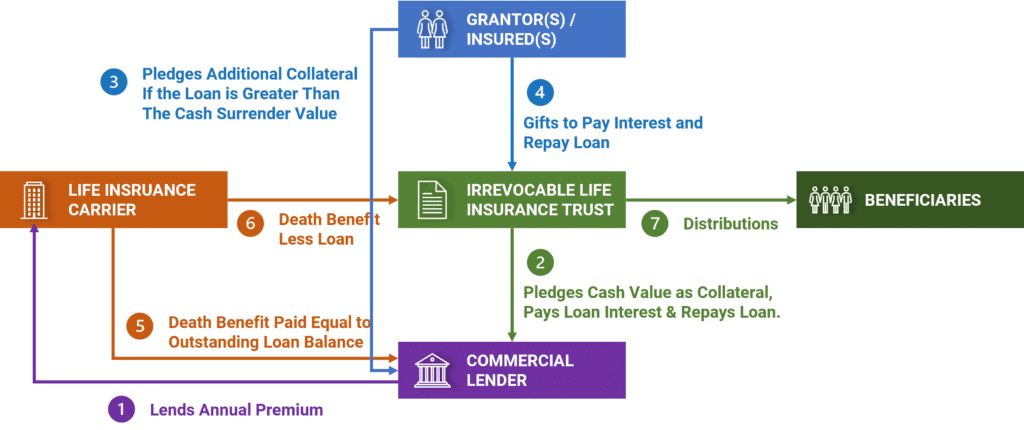
Premium financing coordination is a standard workflow stage in commercial lines, not an edge case, making the handoff between binding, finance company approval, and payment confirmation a recurring source of delay and rework. Between binding, finance company approval, and payment confirmation, agents and accounting staff are often working from separate information sources with no single source of truth connecting them.
ePayPolicy’s Finance Connect capability is purpose-built for this handoff. Finance Connect surfaces financing coordination within the same payment workflow, reducing the number of systems staff must toggle between and giving the team a single place to track where a financed deal stands. Real-time transaction tracking means staff can see payment status as it happens rather than waiting on batch updates or manual confirmation calls, directly reducing the staff time spent on payment-related customer service at this stage.
4. Automated Payment Reminder Sequencing – Recovering Revenue Before Cancellation Triggers
A structured, automated reminder sequence, timed to state-mandated notice windows, is the single most effective intervention in the insurance premium collection process for reducing non-payment cancellations. Agencies without sequenced reminders lose recoverable premium and face E&O exposure when cancellations aren’t properly documented. Personal lines agencies with high policy counts benefit most. The limitation: reminder timing must be calibrated per state, which requires ongoing compliance maintenance as regulations change.
5. Payment Reconciliation and Posting Stage – Where Agency Accounting Breaks Down at Scale
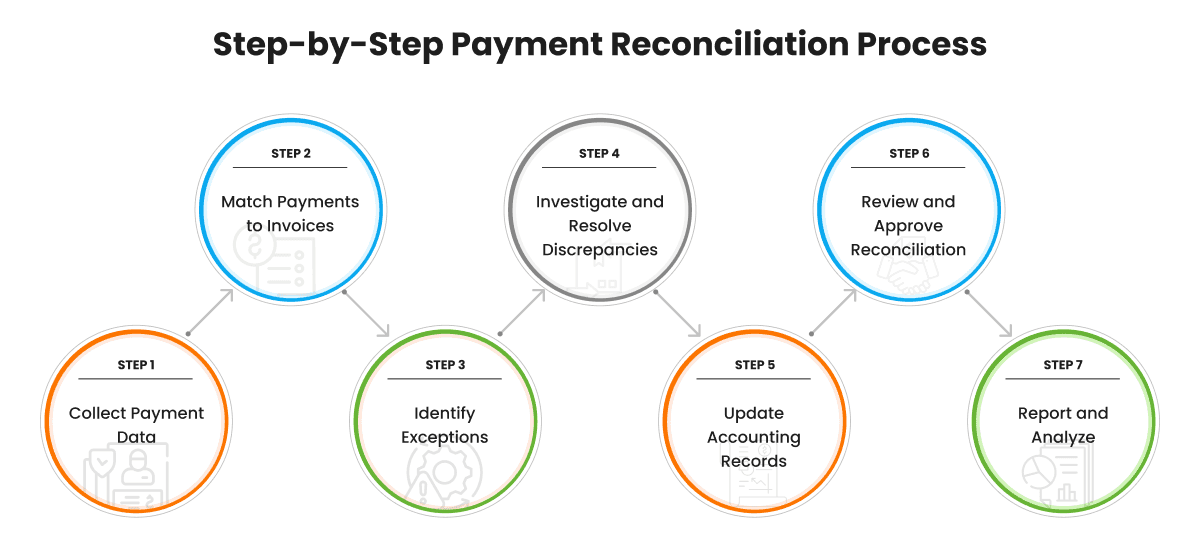
Commission reconciliation requires manually matching payments received from carriers to the correct policies and agents, then pushing updates to accounting at each handoff stage. At low volume, it’s manageable. At scale, the manual matching burden compounds with every additional policy on the book, making reconciliation one of the highest-labor stages in the entire collection cycle.
Two distinct pain points converge here: inbound payment matching and outbound disbursement to agents and partners. On the outbound side, agencies that regularly issue high volumes of checks to agents or partners carry a parallel paper-check burden, printing, signing, mailing, and then reconciling whether each check cleared, that Indio Technologies would categorize squarely within that 25% productivity drain. epaypolicy.com’s Payables and Network Payables capabilities are most beneficial precisely in this scenario: eliminating paper-check printing and mailing for high-volume outbound disbursements, while CheckMate scans, matches, and reconciles market invoices across the broader payables workflow.
The compounding effect matters. Agencies that digitize receivables through the Payment Page & Dashboard, moving clients off paper checks and phone payments, gain real-time transaction visibility that makes the reconciliation step faster and less error-prone. Staff are matching against a live, auditable digital record rather than reconstructing payment history from bank statements and sticky notes. That shift, from reactive reconciliation to real-time tracking, is where the manual overhead Applied Systems identifies as endemic to commission workflows begins to shrink in a measurable way.
Related Reading
- Insurance Workflow Automation
- Insurance Automation Tools
- Insurance Agency Automation
- Credit Card Processing For Insurance Agencies
Billing and Invoice Generation – How and When Premiums Are Billed
The invoice you send sets the outcome you get. Most operations managers know this intuitively, yet billing statements still leave agencies every day missing the one detail that would have prevented a follow-up call, a reconciliation exception, or a lapsed policy. The billing stage is a control point in the collection loop, and how well it is engineered determines how much staff time the rest of that loop will consume. A billing statement built with sufficient precision can perform the collection work that staff are currently doing manually, eliminating downstream follow-up calls, manual matching, and reconciliation corrections before they occur.
Agencies we work with regularly face documentation gaps that create compounding problems: billing that goes out without sufficient detail triggers reconciliation disputes, manual matching errors pile up inside spreadsheets, and what looked like a minor formatting oversight becomes a collections problem weeks later. The same documentation failures that cause contested legal fee filings, where billing submissions are challenged because actual invoices cannot be produced, play out at smaller scale inside insurance agency receivables every billing cycle. A statement that is unclear on amount, timing, or method does not just inconvenience the client; it creates a problem the agency’s staff then has to fix by hand.

The 15 to 30 Day Send Window
Invoices for insurance premiums are typically sent 15 to 30 days before the due date, giving clients enough runway to process payment without creating a gap that stretches receivables. This mirrors the Net 15 and Net 30 structures that broader industry trends identify as the commercial standard for accelerating receivables while controlling late-payment risk. Send outside that window and you have already made a collection problem more likely, before the client has done anything wrong.
Timing precision also becomes a compliance and reconciliation asset. epaypolicy.com’s AutoPay feature addresses the timing problem at its root: once a client opts in, during onboarding or at the payment page, AutoPay runs automatically each billing cycle thereafter, removing the human dependency on remembering to act within that 15-to-30-day window. This is most beneficial when the agency has a management-system integration in place and clients have predictable recurring invoices, conditions that describe the majority of commercial insurance agency relationships. When those two conditions are met, the send window becomes an automated, auditable control point rather than a scheduling task.
What a Legally Sound Billing Statement Must Include
A billing statement must clearly state the amount due, the payment due date, and accepted payment methods. Across the market, ambiguity in any of these fields is a leading cause of late or missed payments. A complete billing statement should include:
- Amount due
- Payment due date
- Accepted payment methods
- Early-payment discount terms, where applicable
Including all of these elements gives the recipient everything needed to act without a follow-up call, eliminating a touchpoint that costs the agency staff time and the client unnecessary friction.
The documentation standard matters beyond internal tidiness. Billing disputes, whether in legal contexts or in everyday insurance agency collections, frequently hinge on whether a proper invoice was actually issued: one with a traceable amount, a clear due date, and a record of accepted payment method. epaypolicy.com’s Quotes & Invoices capability ensures that the agency’s outbound billing meets this standard structurally, while the integration with agency management systems means that what is sent is already reconciled against the policy record before it reaches the client.
Payments are compliant and properly reconciled from first contact, with staff freed from manually matching remittances to open items after the fact. For agencies that want this without building a custom workflow, the platform delivers a turnkey, branded digital payment experience that handles the documentation, delivery, and reconciliation layer in a single pass.
What Payment Methods Are Used in Premium Collection: and Which Create Back-Office Work
That payment method question breaks down across five distinct channels, each carrying a different per-transaction labor cost for your back-office team. Which one a client reaches for shapes staffing requirements in ways that aren’t always visible until volume grows.
1. ACH / eCheck – Lowest Cost, Highest Reconciliation Automation
ACH is the strongest operational choice for agencies managing recurring premiums at volume. According to industry operating rules, businesses that verify account details before initiating debits and send pre-debit notifications can keep administrative return rates well within acceptable network thresholds, so the marginal cost of human intervention per transaction approaches zero for the vast majority of a book. Paper checks create manual overhead on every transaction; ACH returns create overhead only on failed ones. That difference compounds fast at scale.
2. Credit Card Payments – Maximum Policyholder Convenience, Maximum Fee-Compliance Complexity
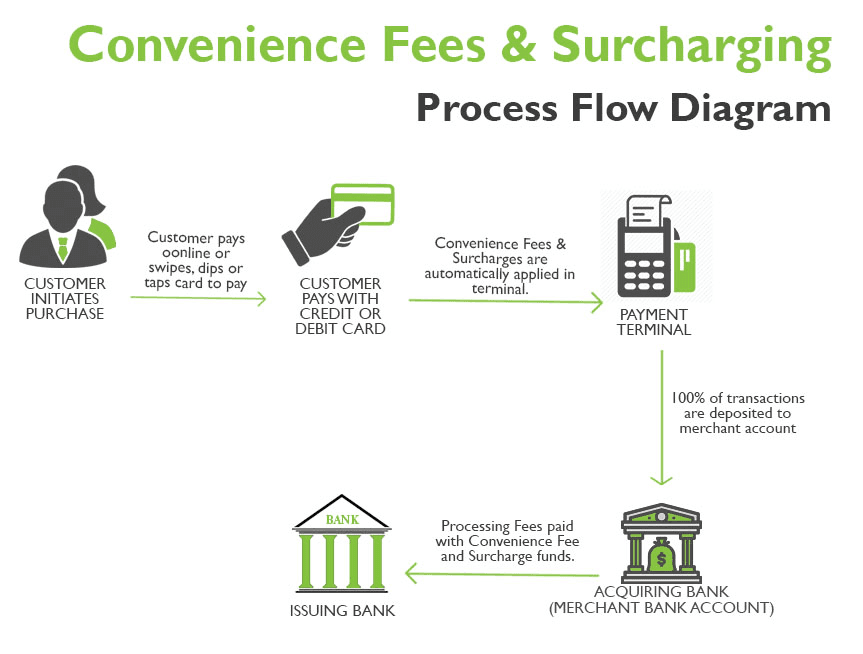
Credit cards reduce client friction at payment time. Interchange fees add a meaningful per-transaction cost, and fee pass-through rules vary by state, with a number of states prohibiting surcharges on insurance premiums entirely. Convenience for the insured often means compliance overhead for the agency.
3. Agency Bill – Maximum Control, Maximum Manual Reconciliation Load

Agency bill places full premium liability on the broker before a dollar is collected. Reconciliation requires matching every payment against open balances and remitting net premiums to the carrier on schedule, a process that consumes significant staff hours per billing cycle and leaves room for trust accounting errors if the workflow is not tightly managed.
4. Direct Bill – Least Back-Office Work, Least Agency Visibility

Direct bill eliminates most receivables workload but creates a visibility gap. Agencies often learn about a client’s payment problem only after the carrier has already issued a lapse notice, at which point the reinstatement workflow, and the associated E&O exposure, has already begun.
5. Premium Financing – Closes Large Commercial Policies, Adds a Third-Party Reconciliation Layer
Premium financing lets policyholders spread large commercial premiums across installments funded by a third-party lender, making it the go-to method for contractors, manufacturers, and other accounts where full upfront payment would kill the sale. For the agency, it shifts collection risk to the finance company, but introduces a three-party reconciliation relationship (agency, carrier, lender) that requires careful tracking of cancellation notices triggered by missed installments, adding meaningful back-office coordination overhead.
Grace Period in Insurance Premium Collection – What It Is and What Compliance Requires
A grace period sounds simple: the client missed the payment deadline, but coverage stays active for a few more days. In practice, it is one of the most legally precise windows in the entire premium collection cycle, and agencies that treat it as a passive courtesy buffer are carrying a compliance liability they have not priced and a cash-flow drag they have not quantified.

What a Grace Period Actually Is – Coverage Still Active, Clock Already Running
A grace period is the defined window after a premium due date during which a policyholder can submit a late payment without losing active coverage. According to the National Insurance Help Authority, coverage remains fully in force throughout that window. Claims must be paid. The policy cannot be cancelled for nonpayment. The clock is running, but the obligation to cover the insured is unchanged.
The grace period is a legally protected continuation of the relationship, with all the claims exposure that implies. Every day a receivable sits unpaid inside that window is also a day of float risk, premium dollars that have not moved to your account but are backing an active policy. Agencies that let grace periods drift without structured follow-up inflate their days sales outstanding (DSO) on premium receivables, which makes cash flow harder to predict quarter over quarter and increases the agency’s exposure on both the compliance side and the financial side simultaneously.
Grace Period Length by Line of Business and State
The range is wider than most operations managers expect. The New Jersey Department of Banking and Insurance issued emergency guidance in April 2020 mandating extended grace periods across health, dental, life insurance, property and casualty, and premium-financing arrangements, periods substantially longer than standard state minimums. Standard non-emergency state minimums vary by line of business, with life insurance policies often carrying the longest windows.
A life insurance policy may carry a substantially longer grace period by state mandate than a commercial property policy, a gap that requires agencies to track different compliance clocks per line, per client, per state. That is a workflow infrastructure problem, and agencies that try to manage multi-line, multi-state grace-period compliance in a shared document are one missed update away from a coverage dispute.
Key takeaway: An extended grace period on a life policy means a premium dollar can legally sit uncollected for weeks after the due date. Multiply that across a book of business and DSO climbs, shrinking cash-flow predictability and widening float risk on the agency’s balance sheet.
The agencies that reduce that drag most effectively are the ones with payment infrastructure that shortens the collection cycle before the grace period even begins.
ePayPolicy’s AutoPay feature addresses this directly. When a client opts in, either during onboarding or at the payment page, AutoPay runs automatically each subsequent billing cycle, pulling payment on the due date rather than waiting for the client to act. Because it is most beneficial when the agency has a management-system integration in place and clients have predictable recurring invoices, it is purpose-built for the multi-line, multi-state scenario described above: the integration ties AutoPay to the invoice schedule inside the agency management system, so the right amount is collected on the right date for the right policy, without manual intervention per line or per state.
The result is a shorter DSO on premium receivables, less float risk, and a more predictable cash-flow picture quarter over quarter, all before compliance exposure inside a grace window has a chance to accumulate.
After the Grace Period – Delinquency Notices, Policy Cancellation, and Reinstatement
Delinquency is the part of premium collection that agencies plan for least and pay for most. Once a client crosses the grace period without payment, the agency is managing a retention risk, a potential liability event, and a clock that’s already running.

The Cancellation Notice Trigger – What Happens the Moment Grace Expires Without Payment
When the grace period closes without payment received, the insurer issues a formal cancellation or lapse notice. As TotalCSR noted in 2024, this notice is the procedural trigger that puts the policy at formal risk of termination. State law governs the timing and delivery of that notice, and agencies that miss or mishandle it face their own compliance exposure, separate from the client’s delinquency.
Policy Cancellation Is an Agency Liability Event, Not Just a Client Inconvenience
A lapsed policy creates E&O exposure for the agency if the client later claims they weren’t properly notified, or if coverage was assumed active during the lapse window. The client’s missed payment becomes the agency’s documentation problem. Every step in the cancellation notice workflow must be airtight, or the agency absorbs the consequence:
- Timing of the cancellation notice issued within state-mandated window
- Delivery method compliant with state law requirements
- Confirmation of receipt documented and retained
How Reinstatement Works and the Narrow Window That Determines Whether You Keep the Account
Reinstatement is possible, but the window is narrow and varies by line of business and state. The client typically must pay all past-due premium, and sometimes a reinstatement fee, to restore coverage. Per the New York Department of Financial Services (OGC Opinion No. 03-04-31), a lapsed life insurance policy may be reinstated within a defined period if the policyholder provides evidence of insurability and pays all overdue premiums with interest, but that window closes, and once it does, the agency has lost the account.
Related Reading
- Insurance Agency Efficiency
- Insurance Premium Payment Automation
Best Practices for Efficient Premium Collection – Including Ledger Reconciliation
The same breakdown that lets overdue balances pile up shows up again on the collection side: the reconciliation bottleneck that follows payment. Optimus Fintech’s September 2025 research puts a number to it: 82% of finance teams spend more time matching payments than managing cash. For agency operations managers, that figure says a great deal about how most collection workflows are built. Accepting digital payments is only the start. The real cost lands one step later, in the manual work of confirming receipt, matching the payment to the right policy record, and pushing the update to accounting.
1. ePayPolicy – Best End-to-End Digital Premium Collection Platform
This is where most agencies leave work on the table. As Optimus Fintech notes, automated ledger reconciliation eliminates the manual matching step between payment receipt and the corresponding policy record, flagging discrepancies and failed transactions in real time. Applied Systems similarly identifies reconciliation automation as the primary lever for closing the gap between payment receipt and ledger accuracy.
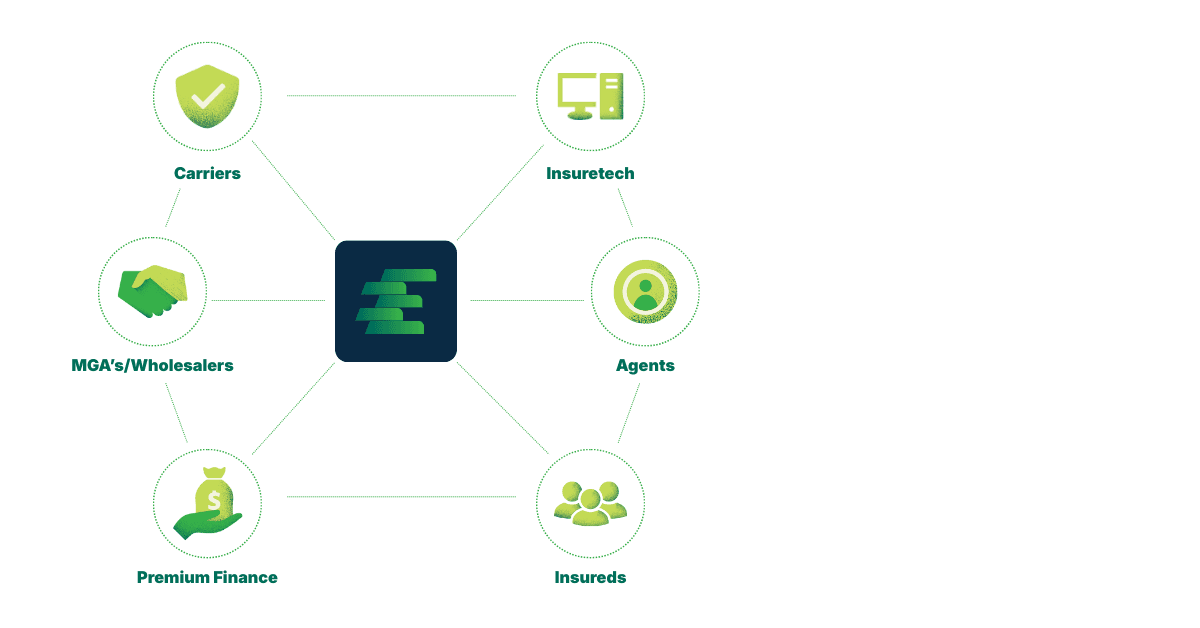
ePayPolicy’s Finance Connect and Payables Connect modules are built specifically to close that gap. Finance Connect integrates the payment platform directly with the agency management system so that payment status updates in the policy record the moment the client pays, with no accounting email and no reconciliation lag. Payables Connect extends the same logic to the outbound side, enabling agencies, MGAs, and carriers to send electronic payments (commissions, refunds, or fund transfers) to any other agency, broker, MGA, or premium finance company in the industry directly from the ePayPolicy dashboard.
Both modules are most beneficial when the agency has a management-system integration in place; that integration is what makes the payment event and the policy record update the same event rather than two sequential tasks separated by manual effort. The Network Payables feature sits within this same workflow layer, supporting agencies managing payables across a broader partner network.
The trade-off remains real: this level of automation requires a working integration. Agencies without one still get digital payments through ePayPolicy’s Payment Page and Dashboard; they just retain the manual matching step until the integration is established.
2. Automate Multi-Channel Premium Reminders to Cut Involuntary Lapses
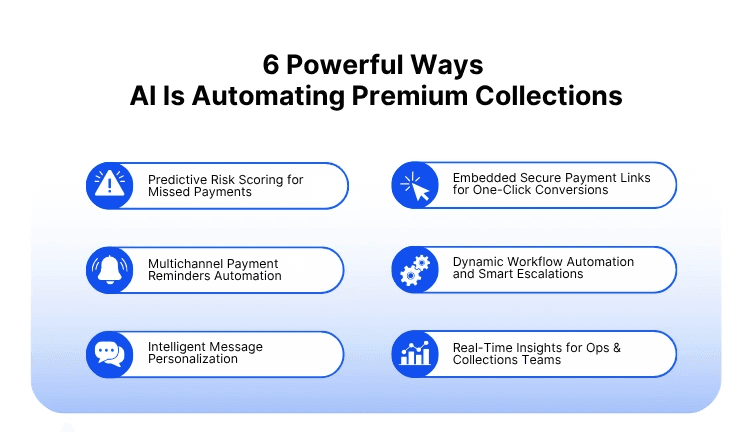
Agencies that deploy automated email, SMS, and portal-based premium due reminders at 30-, 15-, and 3-day intervals before the due date dramatically reduce involuntary policy lapses caused by forgotten payments. This practice is ideal for high-volume personal lines books where manual outreach is impractical. The key limitation is that automation requires clean, current contact data, dirty CRM records will cause reminders to miss the right policyholders entirely.
3. Implement a Trust Account Segregation Protocol for Fiduciary Compliance
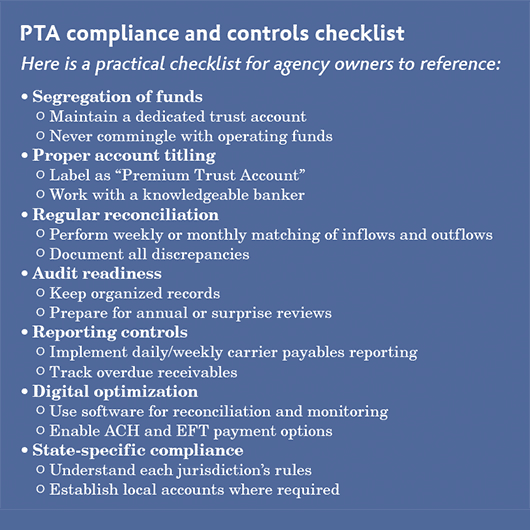
Insurance agencies acting as premium fiduciaries must segregate collected premiums from operating funds in dedicated trust accounts, reconciling them against carrier payables on a monthly, ideally weekly, basis. This practice protects agencies from regulatory action and carrier disputes. The real tradeoff is operational complexity: maintaining separate bank accounts and reconciliation schedules demands disciplined bookkeeping staff or a specialized accounting partner.
4. Reduce Failed Payment Declines With Real-Time Card Updater and A2A Payment Options
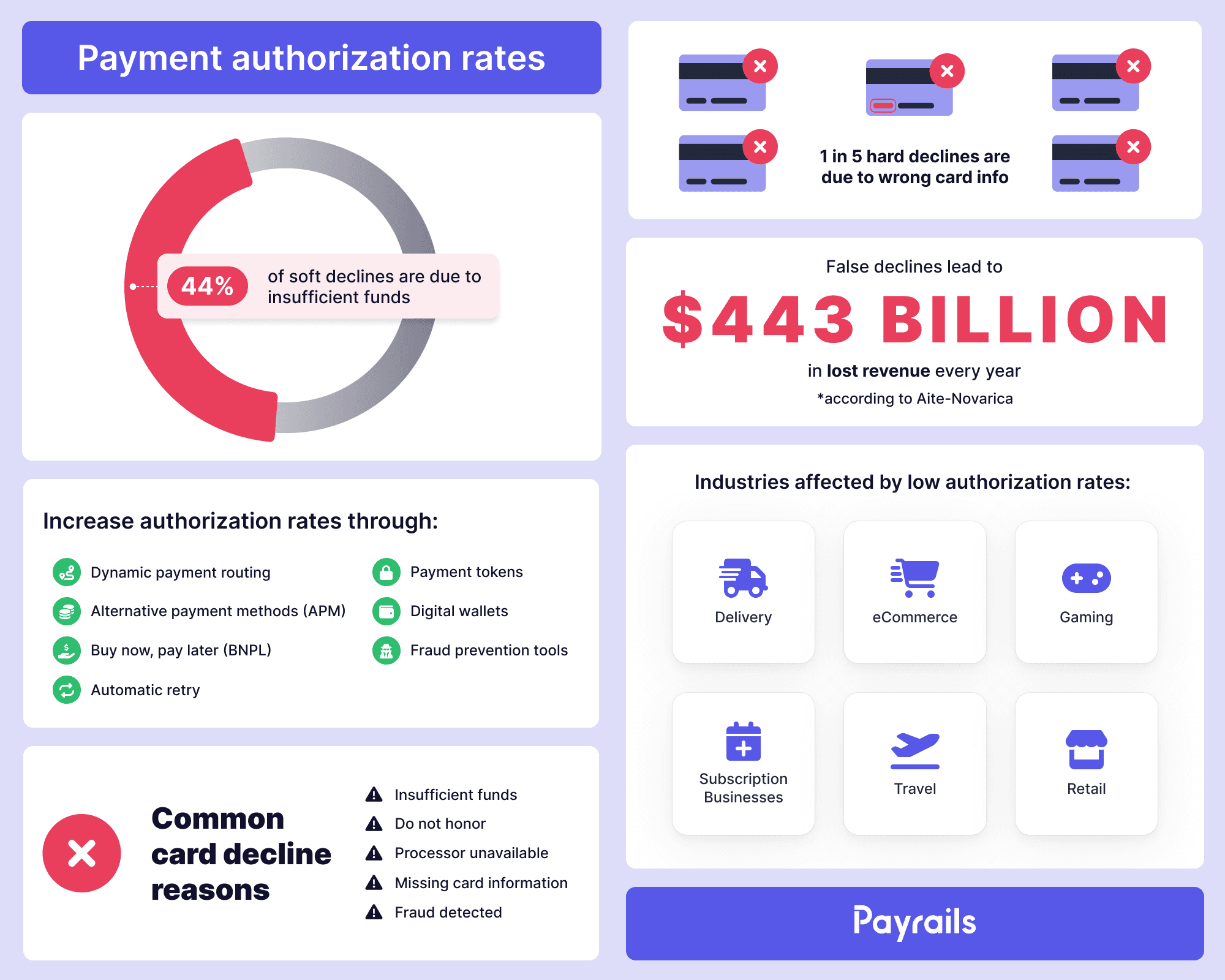
Payment declines are a leading cause of unintended coverage gaps and policyholder churn. Agencies and carriers that deploy automatic card updater services alongside account-to-account (A2A) bank payment options see measurably lower decline rates and fewer manual retry workflows. This approach suits mid-to-large carriers with high recurring payment volumes. The tradeoff is that A2A payment adoption requires policyholder education and a payment portal experience that clearly communicates the bank-linking process.
How AutoPay Removes the Manual Collection Loop for Insurance Agencies
Setting up a payment link moves money online but leaves the collection loop intact: someone still has to follow up, confirm, and reconcile every billing cycle. The difference AutoPay makes depends less on the feature itself and more on whether the payment platform and agency management system are genuinely connected. That integration is what determines whether manual action per invoice disappears entirely or just gets reduced.

The One-Time Setup That Eliminates Per-Invoice Action
Setting up an online payment link and automating premium collection are two different things. Most agencies discover this the hard way: the link goes live, clients still pay on their own schedule, and someone on the back-office team is still logging into the management system every week to match receipts, flag gaps, and send reminders. The digital paper trail replaced the paper one. The labor did not leave.
“Making a manual, one-time full-premium payment created ambiguity around AutoPay eligibility. The insurer applied and then removed an AutoPay discount retroactively, generating unexpected charges months after my policy started.”
The familiar approach treats each invoice as its own event: post it, wait, follow up, confirm, reconcile. That loop is manageable at a small client count. At significant scale, it quietly consumes the week.
AutoPay changes the structure entirely. A client authorizes payment once, and every subsequent invoice posted from the agency management system triggers collection automatically, with no manual action required per billing cycle. The follow-up event never starts because the payment loop closes before anyone has to open it, provided the payment platform and the agency management system share a working integration. Without that connection, AutoPay reduces manual steps but does not eliminate the reconciliation layer entirely.
How the Integration Closes the Loop Automatically
When the management system posts an invoice, the connected payment layer reads that event and initiates collection against the client’s stored authorization. No staff member confirms the trigger. No reconciliation queue builds up. This is where volume growth stops adding overhead, with each new enrolled client absorbed into the same automated loop rather than added to someone’s follow-up list.
Which Clients Are the Best Candidates for AutoPay Enrollment
AutoPay enrollment is most effective for clients on recurring premium schedules, monthly, quarterly, or annual policies where the billing amount is predictable and the authorization carries across cycles. Clients with variable premium structures, such as those on audit-based commercial lines policies where the final premium adjusts at year end, may require a hybrid approach: AutoPay for the installment schedule, with a manual confirmation step when the audit adjustment posts.
Related Reading
- Payment Processing For Insurance Companies
- Insurance Remittance Processing Systems
- Insurance Payment Processing Companies
Next steps
If your staff is still closing the gap between what your collection system does and what actually needs to happen next, the path forward starts with connecting payment collection directly to your agency management system so the loop closes without a human trigger. Start with our insurance billing software.
The billing statement insight makes this concrete: a precise statement linked to the correct policy record prevents the follow-up calls and reconciliation corrections before they start. The reconciliation bottleneck insight makes the stakes clear: when 82% of finance teams spend more time matching payments than managing cash, the manual matching step is the single biggest cost in the entire collection workflow. Together, they point to one action: replacing the per-invoice human touchpoint with a platform where the payment and the policy record update happen as one event.
Start with a closer look at purpose-built insurance billing software. From there, you can see exactly which capabilities, AutoPay, Finance Connect, and management-system integration, close the specific stages where your team is currently filling the gap.
Frequently Asked Questions
What actually happens to a client’s coverage during the grace period if they miss a payment?
Coverage remains fully in force throughout the grace period, claims must still be paid and the policy cannot be cancelled for nonpayment. Every unpaid day inside that window also represents float risk, since premium dollars have not yet moved to your account but are still backing an active policy.
Which payment method creates the least back-office work for a high-volume agency?
ACH is the strongest operational choice for agencies managing recurring premiums at volume, because paper checks create manual overhead on every transaction while ACH returns create overhead only on failed ones, meaning the marginal cost of human intervention per transaction approaches zero for the vast majority of a book.
How do billing errors at the invoice stage end up causing problems all the way through to reconciliation?
When invoice data is pulled manually from an agency management system, mismatched policy details, incorrect premium amounts, or wrong billing frequencies create downstream errors that accounting staff spend hours correcting, each correction adding a second human touchpoint on work that should have required zero. These documentation failures can turn a minor formatting oversight into a collections problem weeks later.
What are the biggest challenges agencies face in automating the premium collection workflow?
The main friction points are the handoffs between stages: invoice generation, premium financing coordination, payment receipt, and reconciliation each represent a distinct place where manual intervention is currently required. Agencies that collect payments primarily by paper check or phone face the steepest challenge, since each inbound payment triggers a chain of manual follow-up steps before it ever reaches accounting.
Why does a lapsed policy hurt an agency more than just a missed payment?
A lapsed policy represents not just lost premium revenue but a client relationship that is far harder to restore than it was to retain, making the quality of the collection workflow a direct driver of book-of-business stability. Each lapse also requires manual intervention to resolve, turning a billing problem into one that costs both staff time and revenue.